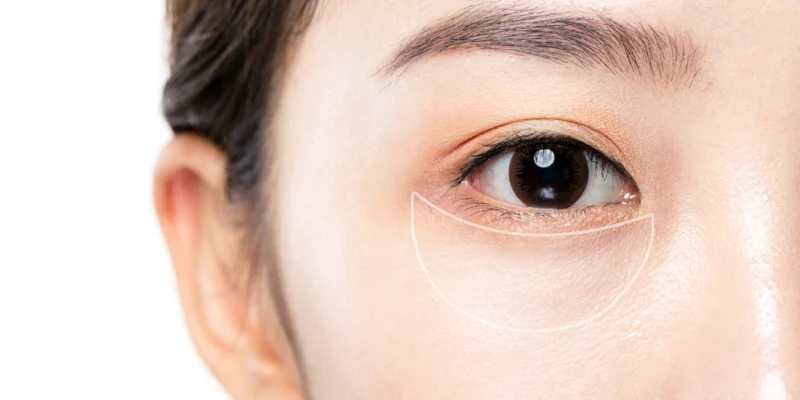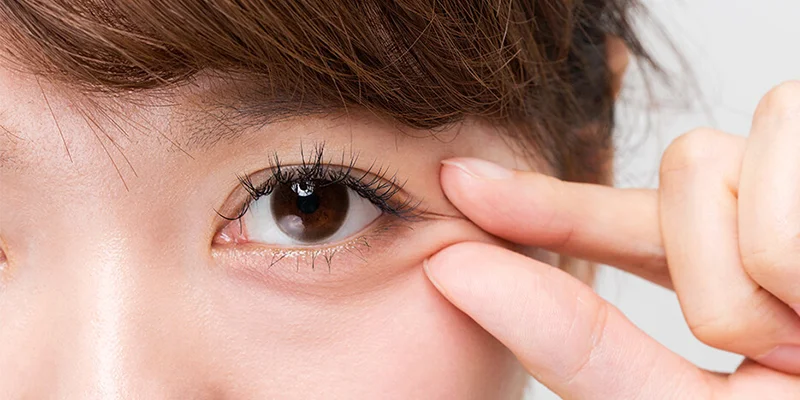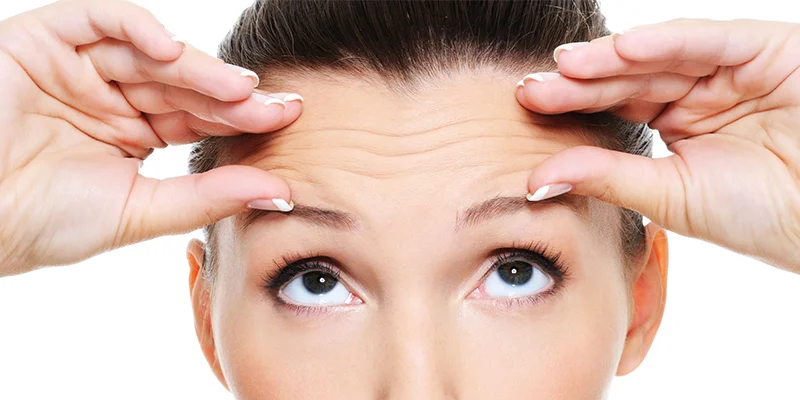
What is mesotherapy used for? Mainly five facial concerns: dull, dehydrated skin; melasma; dark marks after acne; acne scars; and damaged, sensitive skin. The evidence is strongest for hydration and for tranexamic acid mesotherapy in melasma. For acne scars, mesotherapy works best combined with microneedling. Active, inflamed acne should be treated first.
Mesotherapy is often described as a “do-everything” skin treatment. In reality, it works very well for some concerns and only modestly for others, and the right active ingredient makes all the difference.
This guide explains what mesotherapy is used for, concern by concern, with an honest look at the evidence and when another treatment might suit you better. If you’re new to the treatment, start with what mesotherapy is and who should get it.

Nội dung
- At a Glance: What Is Mesotherapy Used For?
- 1. Hydration and Glow (Skin Booster Mesotherapy)
- 2. Melasma
- 3. Dark Marks After Acne
- 4. Acne Scars
- 5. Skin Repair and Maintenance
- What Mesotherapy Isn’t Used For
- Common Mistakes
- How to Choose the Right Mesotherapy for You
- Frequently Asked Questions
- Find the Right Mesotherapy for Your Skin
At a Glance: What Is Mesotherapy Used For?
| Skin Concern | Common Actives | Strength of Evidence | Works Best When… |
|---|---|---|---|
| Dull, dehydrated skin | Hyaluronic acid, PDRN, vitamins, Exosome | Good (for HA skin boosters) | Used as a course, then maintained |
| Melasma | Tranexamic acid, niacinamide, Exosome | Moderate (for tranexamic acid) | Combined with strict sun protection |
| Dark marks after acne | Brightening cocktails, niacinamide | Limited | Acne is already under control |
| Acne scars | Growth factors, PRP, Exosome | Limited alone; better as an add-on | Combined with microneedling or laser |
| Damaged, sensitive skin | HA, PDRN, vitamins | Moderate | Paired with gentle skincare and sunscreen |
1. Hydration and Glow (Skin Booster Mesotherapy)
Ask most clinics “What is mesotherapy used for?” and hydration tops the list. Micro-injections deliver hydrating and regenerating actives directly into the skin, where topical products struggle to reach.
The most common actives include:
- Hyaluronic acid (HA): attracts and holds water for instant, plumper hydration
- PDRN (salmon DNA): supports skin repair and hydration
- PRP: growth factors from your own blood
- Exosome: signaling vesicles that support cell renewal; promising, but still being studied
Results typically include smoother texture, a healthy glow, and softer fine lines on the forehead, around the eyes, and along smile lines. Hydration-focused mesotherapy has the strongest evidence of all the uses here, especially for HA skin boosters.
For more detail, see our guide to skin booster ingredients and our hyaluronic acid skin booster guide.
FREE CONSULTATION
2. Melasma
Melasma is one of the most searched reasons for mesotherapy, and here the choice of active ingredient is crucial.
Expert Insight: Why Tranexamic Acid Matters
Tranexamic acid (TXA) reduces the signals that switch on pigment-producing cells, and it also calms the extra blood vessels found in melasma-affected skin.
A systematic review and meta-analysis of 21 studies (1,563 patients) found that tranexamic acid significantly reduced melasma severity scores, whether taken orally, applied topically, or injected into the skin as microinjections. Side effects of injections were mostly mild, temporary swelling and pain at the injection site. The authors noted that study quality was low, so results vary between patients.
Other ingredients used in melasma cocktails include:
- Niacinamide: reduces pigment transfer and evens tone
- Vitamins and antioxidants: support brightness
- Exosome: supports skin renewal
A note on glutathione: some “whitening” injections contain glutathione. The US FDA has warned that injectable skin-lightening products are not approved and may be unsafe. Always ask exactly what is in your cocktail, and avoid unlabeled “whitening shots.”
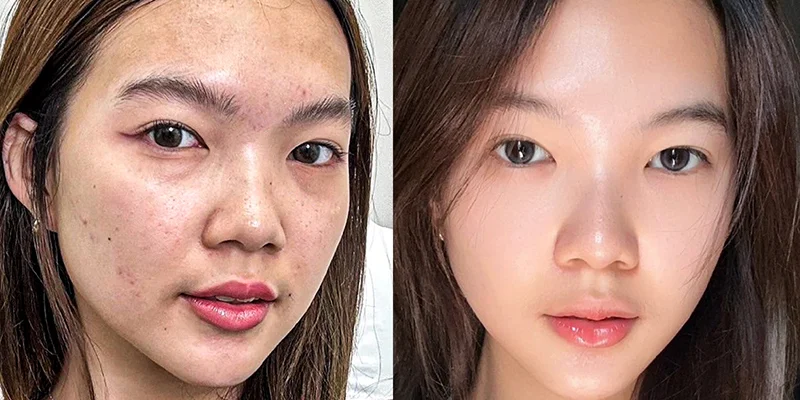
Melasma is a chronic condition. Mesotherapy can lighten patches, but it doesn’t cure melasma, and daily sun protection is essential to keep results. Learn to recognize early changes in our guide to the signs of melasma.
Melasma options at Keangnam Korea:
- Meso SPI needle-free: an Exosome cocktail delivered without needles, according to the clinic; suited to people aged roughly 25–45 with mild or new melasma, or anyone who dislikes needles
- Dermazeen: the clinic’s dedicated melasma treatment using Exosome and hyaluronic acid, for men and women aged about 24–65
- Reborn Cell Extra+: for melasma combined with more advanced signs of aging
A doctor will assess the depth and pattern of your melasma before recommending a plan.
BOOK A SKIN EXAM
FREE CONSULTATION
3. Dark Marks After Acne
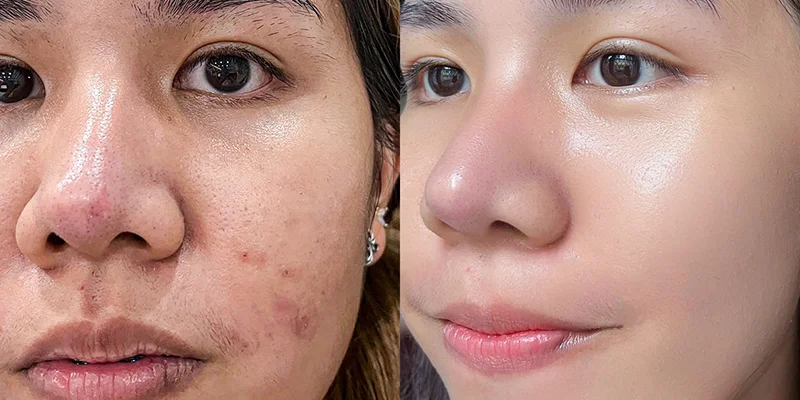
The red or brown marks left after a breakout, called post-inflammatory hyperpigmentation, often linger for months. Brightening mesotherapy cocktails can help them fade faster by supporting cell turnover and reducing excess pigment.
There’s an important condition: your acne should be under control first. Injecting into inflamed, active acne is not recommended, as it can spread bacteria and worsen inflammation. If you’re still breaking out, treat the acne with your doctor first, then use mesotherapy for the marks left behind.
Pro Tip: Dark acne marks fade much faster with daily SPF 30+ sunscreen. Without sun protection, even the best brightening treatment struggles to keep up.
4. Acne Scars
Acne scars, especially pitted (atrophic) scars, form when inflammation destroys collagen beneath the skin. Because the damage is structural, scars are harder to treat than marks.
On its own, mesotherapy has limited effect on deep scars. Its value is as an add-on:
- In a split-face study of 30 patients with atrophic acne scars, the side treated with microneedling plus mesotherapy improved more than the side treated with microneedling alone
- Growth factors, PRP, and Exosome may support healing after collagen-stimulating procedures
The main treatments for acne scars remain microneedling, fractional laser, subcision, and fillers for specific scar types. A doctor can identify your scar types, whether ice pick, boxcar, or rolling, and build a combined plan.
5. Skin Repair and Maintenance
Mesotherapy is increasingly used as regular maintenance for skin that is dull, dehydrated, or sensitized, for example after harsh skincare, stress, or environmental exposure. Hydrating and repairing actives can help strengthen the skin barrier and improve resilience.
It’s a useful part of a preventive anti-aging routine, but it doesn’t protect you from the sun or pollution. Sunscreen and gentle skincare are still your first line of defense.

What Mesotherapy Isn’t Used For
To set realistic expectations, mesotherapy is not the right choice for:
- Significant sagging, which needs lifting treatments
- Deep volume loss, which needs fillers or fat grafting
- Deep, static wrinkles on their own, which usually need muscle relaxants or resurfacing
- Active infection or inflamed acne
For a balanced overview of pros and cons, see our article on mesotherapy benefits.
Common Mistakes
- Choosing a generic cocktail for a specific problem. Melasma, scars, and dehydration each need different actives.
- Injecting over active acne. Treat the breakouts first.
- Expecting mesotherapy alone to fix acne scars. Combine it with collagen-stimulating procedures.
- Accepting unlabeled “whitening” injections. Ask for the product name and check it’s genuine.
- Skipping sunscreen. It’s essential for melasma, acne marks, and every other result.
How to Choose the Right Mesotherapy for You
- Get a skin assessment to identify your main concern and its depth
- Ask which active ingredient will be used, and why
- Confirm the number of sessions and the maintenance plan
- Check the clinic’s license and the doctor’s experience
- Understand the safety profile; our mesotherapy side effects guide covers what’s normal and what isn’t
If you’re comparing prices, our guide to mesotherapy cost explains what affects the price of a course.
Frequently Asked Questions
What is mesotherapy used for on the face?
Mesotherapy on the face is mainly used for hydration and glow, melasma, dark marks after acne, acne scars (as an add-on treatment), and repairing dull or sensitive skin.
Does mesotherapy work for melasma?
Tranexamic acid mesotherapy has evidence for reducing melasma severity, but melasma is chronic and can return. Strict daily sun protection is needed to maintain results.
Can mesotherapy remove acne scars?
Not on its own. It works best combined with microneedling, laser, or subcision, which rebuild collagen beneath the scar.
Can I get mesotherapy if I have active acne?
Injections shouldn’t be done over inflamed acne. Treat the breakouts first, then mesotherapy can help fade the marks they leave.
How many sessions will I need?
It depends on your concern and the active used. Many facial programs involve 3–5 sessions, followed by maintenance. Your doctor will confirm after an assessment.
Find the Right Mesotherapy for Your Skin
Asking “What is mesotherapy used for?” is a good start, but the best plan depends on a proper diagnosis of your skin.
Want a personalized mesotherapy plan for your skin concern? Call our hotline at +84 911 833 555 to book a consultation with Keangnam Korea’s doctors.
FREE CONSULTATION