You can soften fine wrinkles around eyes at home with five habits: daily sunscreen and sunglasses, a gentle eye-safe retinoid at night, hydrating and peptide eye creams, the right application technique, and healthy sleep and lifestyle habits. Massage and eye exercises have limited evidence. Deeper lines that stay when you relax usually need professional treatment.
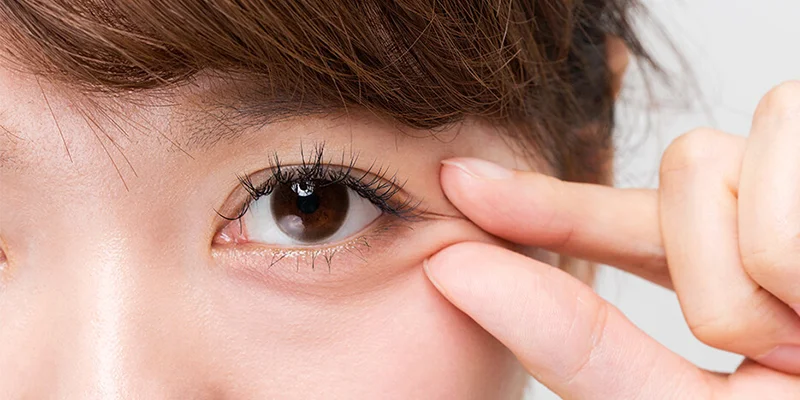
The eyes are often the first place your face shows age. Fine lines at the outer corners when you smile, crepey texture under the eyes, or creases that linger after you stop squinting can appear as early as your late 20s.
The good news is that early wrinkles around eyes respond well to consistent care, as long as you treat this delicate area differently from the rest of your face. This guide from Keangnam Korea explains why eye wrinkles form and which at-home methods are actually worth your time.
Nội dung
Why Wrinkles Around Eyes Appear Early
The skin around your eyes is different from the rest of your face, and that’s why it shows aging first.
- It’s very thin. Eyelid skin is among the thinnest skin on the body, with less supporting fat and collagen underneath
- It moves constantly. You blink thousands of times a day, and the circular muscle around each eye contracts every time you smile or squint
- It has fewer oil glands, so it dries out more easily
- It’s exposed to the sun, and UV damage breaks down collagen and elastin
Other factors make lines appear earlier or deeper:
- Natural aging and declining collagen
- Repeated expressions: smiling, squinting, and frowning
- Sun exposure without sunglasses
- Smoking, poor sleep, and chronic stress
- Genetics
- Rubbing your eyes or removing eye makeup roughly
Expert Insight: Not All Eye Wrinkles Are the Same
Before you buy anything, it helps to know which type of line you have:
| Type | What It Looks Like | Main Cause | What Helps Most at Home |
|---|---|---|---|
| Crow’s feet | Fan-shaped lines at the outer corners, deeper when smiling | Muscle movement + sun damage | Sunscreen, sunglasses, retinoid |
| Under-eye wrinkles | Fine, crepey lines below the lower lashes | Thin skin, collagen loss, dryness | Hydration, retinoid, peptides |
| Dehydration lines | Very fine lines that improve after moisturizing | Dry skin | Hydrating eye cream |
Dehydration lines respond within days. Crow’s feet and under-eye wrinkles caused by collagen loss take months of consistent care, and the deepest ones need professional treatment. If your main concern is puffiness rather than lines, see our guide to under eye bags treatment.
5 Ways to Reduce Wrinkles Around Eyes at Home
1. Protect the Eye Area From the Sun Every Day
This is the most effective step, and the one most people skip around the eyes.
- Apply a broad-spectrum sunscreen, SPF 30 or higher, right up to the orbital bone (the bony rim around your eye)
- If regular sunscreen stings your eyes, choose a mineral formula with zinc oxide or titanium dioxide
- Wear UV-protective sunglasses outdoors; they block UV and stop you from squinting
- Add a wide-brimmed hat in strong sun
Sunglasses do double duty: every squint you avoid is one less fold in the skin at the corners of your eyes.
2. Use an Eye-Safe Retinoid at Night
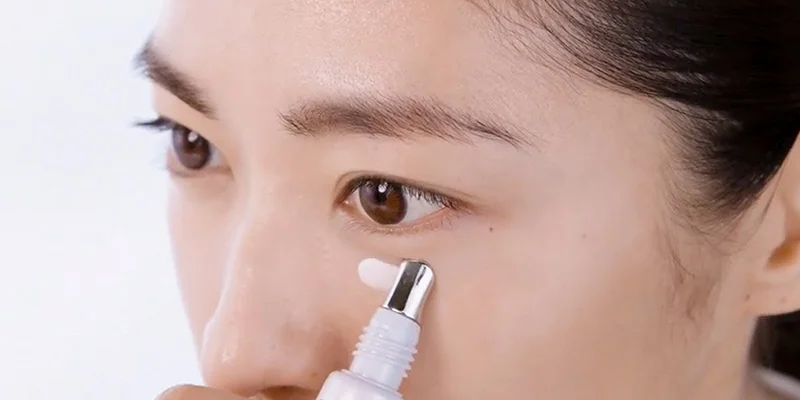
Retinoids, including retinol, are one of the best-studied ingredients for fine lines. They stimulate collagen and elastin production over time. Around the eyes, though, they need extra care:
- Choose a retinol formulated for the eye area, or use your regular low-strength retinol sparingly
- Apply a rice-grain amount for both eyes, staying on the orbital bone and away from the eyelids and lash line
- Start with 2–3 nights per week and increase slowly if your skin stays comfortable
- Use it at night only, and always wear sunscreen the next morning
- If you have dryness or stinging, apply a hydrating eye cream first as a buffer
- Avoid retinoids if you’re pregnant
For a full face routine and more detail on starting retinol, see our guide to treating forehead wrinkles at home, which uses the same principles.
3. Choose the Right Eye Creams and Serums
You don’t necessarily need a separate “eye cream.” What matters is the ingredient list and a gentle formula. Look for:
| Ingredient | What It Does | Best Time |
|---|---|---|
| Retinol | Stimulates collagen; smooths fine lines | Night |
| Peptides | Signal skin to support collagen and firmness | Morning or night |
| Hyaluronic acid | Plumps dehydration lines quickly | Morning and night |
| Vitamin C | Antioxidant protection against UV damage | Morning |
| Ceramides | Strengthen the thin skin barrier | Morning and night |
| Niacinamide | Supports the barrier and evens tone | Morning or night |
Avoid fragrance and high concentrations of acids near the eyes. A hydrating eye mask once or twice a week can make fine lines look softer temporarily, but it’s an optional extra.
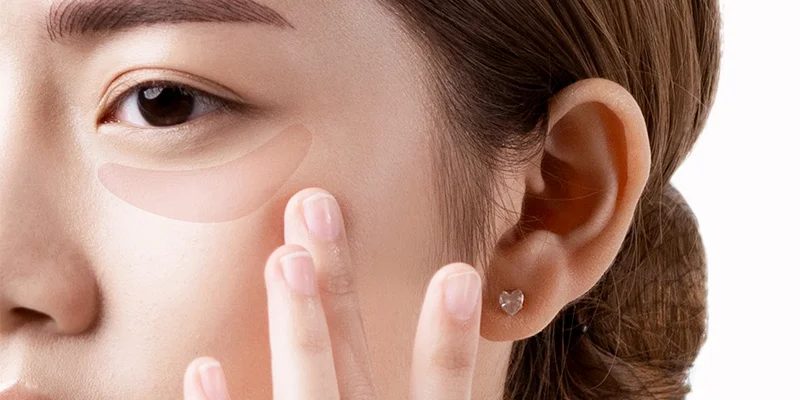
Pro Tip: Apply eye products with your ring finger, which naturally uses the least pressure. Gently pat, don’t rub or drag, from the inner corner outward along the orbital bone.
4. Be Gentle: Skip Scrubs and Rubbing
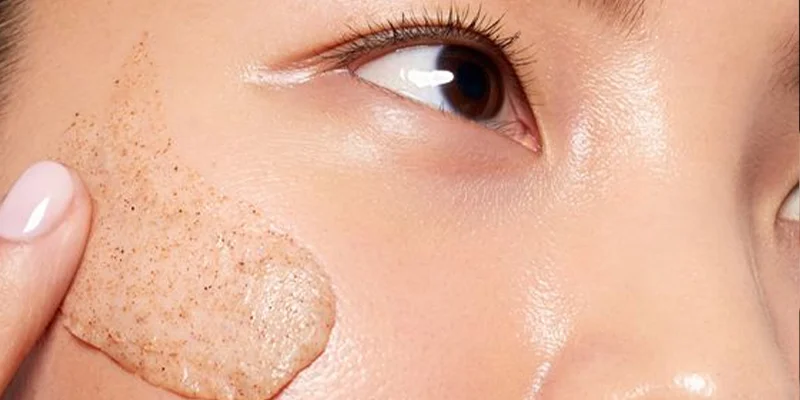
Because the skin around your eyes is so thin, harsh exfoliation causes more harm than good. Redness and irritation can make wrinkles look more obvious.
- Don’t use scrubs around the eyes
- If you want extra smoothing, use only a very mild chemical exfoliant (low-strength lactic acid or PHA) on the area below the eye, never the eyelids, and no more than once a week; skip it on retinoid nights
- Remove eye makeup with an oil-based remover or micellar water on a cotton pad: press for a few seconds, then wipe gently
- Try not to rub your eyes, especially if you have allergies
5. Massage and Eye Exercises: Helpful for Relaxation, Not a Cure
Many people use hand massage, vibrating or heated massage tools, and eye exercises to treat wrinkles around eyes. Here’s what the evidence says:
- A systematic review of facial exercises found only 7 small studies (3 to 20 participants each, no randomized trials), so the evidence for reducing wrinkles is weak
- Massage can temporarily reduce puffiness by moving fluid, which makes the area look fresher
- Repeated squinting is what causes crow’s feet in the first place, so exaggerated eye exercises may not help
If you enjoy massage, keep it gentle, use a slip product so you don’t drag the skin, and limit it to a few minutes. Avoid electrical (microcurrent or EMS) devices close to the eye unless the manufacturer specifically allows it. We cover safe massage and acupressure techniques for the eye area in our guide to massage for under eye bags.

Lifestyle Habits That Protect the Eye Area
Small daily habits make a big difference to wrinkles around eyes:
- Sleep 7–8 hours, and if you can, sleep on your back to avoid pressing the eye area into the pillow
- Don’t smoke; smoking accelerates collagen breakdown and causes squinting
- Eat a balanced diet rich in fruits, vegetables, and healthy fats
- Drink enough water for overall health
- Manage stress, and notice habits like squinting at screens; increase font size or screen brightness if needed
- Get an eye exam if you squint to see clearly; you may simply need glasses
Common Mistakes With Wrinkles Around Eyes
- Putting retinol on the eyelids. It migrates into the eyes and causes stinging and redness.
- Rubbing products in. Dragging thin skin causes irritation over time.
- Skipping sunscreen near the eyes because it stings; switch to a mineral formula instead.
- Expecting overnight results. Retinoids and peptides take 2–3 months to show visible changes.
- Relying only on massage tools. They can feel nice but don’t replace sun protection and proven ingredients.
How Long Until You See Results?
| Method | Typical Timeline |
|---|---|
| Hydrating eye cream | A few days, for dehydration lines |
| Peptides and vitamin C | 6–12 weeks |
| Retinol | 2–3 months, improving further over 6 months |
| Sun protection and sunglasses | Long-term prevention |
When Home Care Isn’t Enough
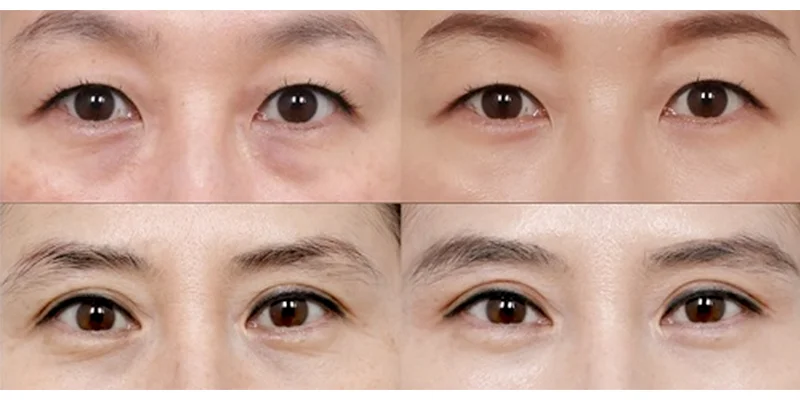
At-home care works best for fine and early lines. If your crow’s feet stay visible when your face is relaxed, or under-eye skin looks crepey despite months of consistent care, it’s time for professional options. A dermatologist may suggest Botox for crow’s feet, prescription-strength retinoids, chemical peels, or skin regeneration treatments such as Reborn Cell Extra+.
A doctor can also check whether what looks like wrinkling is actually excess eyelid skin or under-eye bags, which need a different approach.
Frequently Asked Questions
Can you get rid of wrinkles around eyes naturally?
You can soften fine lines naturally with sunscreen, sunglasses, a hydrating eye cream, and healthy habits. For collagen-building results, an eye-safe retinoid is the most effective at-home option.
Is retinol safe to use around the eyes?
Yes, if you use a low-strength or eye-specific formula, apply a very small amount on the orbital bone, avoid the eyelids, and start just a few nights a week.
Do eye exercises reduce crow’s feet?
The evidence is weak. Only a handful of small studies exist, and repeated squinting is a cause of crow’s feet. Sunglasses and sunscreen are more effective.
Do I really need a separate eye cream?
Not always. A gentle, fragrance-free moisturizer with hydrating and repairing ingredients can work around the eyes. Eye creams are useful because they’re formulated to be less irritating.
At what age do wrinkles around eyes start?
Many people notice the first fine lines around their eyes in their late 20s or early 30s, earlier with frequent sun exposure or smoking.
Keep Your Eyes Looking Fresh and Youthful
Wrinkles around eyes are a normal part of aging, but the right daily care can slow them down and soften the lines you already have. Start with sun protection, add a gentle retinoid, and be patient.
If you’d like expert advice on deeper lines around your eyes, call our hotline at +84 911 833 555 to learn about advanced treatment options at Keangnam Korea.
FREE CONSULTATION