The best crow’s feet treatment depends on whether your lines appear only when you smile or stay when your face is relaxed. Botox softens movement lines for about 3–4 months, laser and peels resurface deeper creases, and skin regeneration treatments improve the thin skin around the eyes. Most people get the most natural results from a combined plan.
Crow’s feet, the fine lines that fan out from the outer corners of your eyes, are often the first sign that people notice in photos. They can make you look tired even when you feel rested, and they tend to deepen with every year of smiling, squinting, and sun exposure.
The good news is that crow’s feet are very treatable, as long as the treatment matches the type of line. This guide explains why crow’s feet form, compares the main professional options, and shows how Keangnam Korea treats the eye area with Korean-transferred technology.
Nội dung
Why Crow’s Feet Form
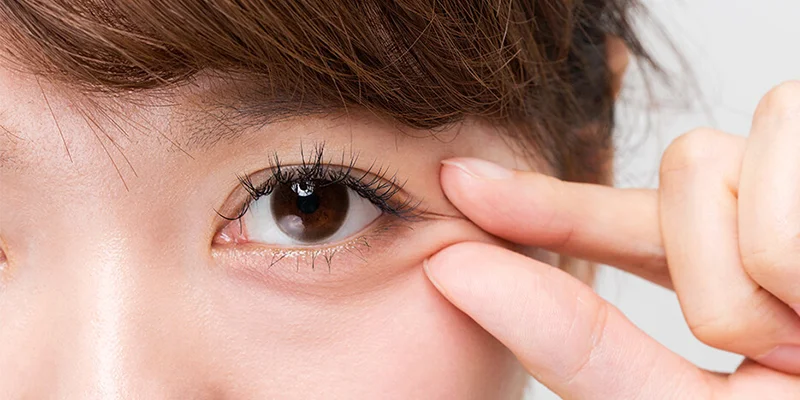
Crow’s feet are created by the orbicularis oculi, the circular muscle around each eye. Every time you smile, laugh, or squint, it contracts and folds the skin at the outer corners into fine, fan-shaped lines.
Several factors make those folds permanent over time:
- Very thin skin: the skin around the eyes is among the thinnest on the body, with little supporting fat
- Collagen and elastin loss with age
- Sun damage, which accelerates collagen breakdown, especially without sunglasses
- Squinting, from bright light, screens, or uncorrected vision
- Smoking, poor sleep, and genetics
Expert Insight: Dynamic vs. Static Crow’s Feet
Before recommending any treatment, a doctor will check which type you have:
| Stage | What You See | What It Means | Treatments That Fit |
|---|---|---|---|
| Dynamic | Lines only when smiling or squinting | Muscle movement, skin still resilient | Muscle relaxants, skin quality treatments |
| Early static | Faint lines remain at rest | Collagen loss has begun | Muscle relaxants + regeneration or light resurfacing |
| Deep static | Clear creases at rest, crepey texture | Significant collagen loss and thin skin | Combined plan: resurfacing or regeneration + muscle relaxants |
Muscle relaxants stop the folding, but they can’t rebuild collagen. Regenerative and resurfacing treatments improve the skin, but they don’t stop the muscle. That’s why deeper crow’s feet usually respond best to a combination.
Professional Crow’s Feet Treatment Options Compared
| Treatment | How It Works | Results Appear | Typical Duration | Considerations |
|---|---|---|---|---|
| Botox (botulinum toxin) | Relaxes the muscle at the eye corner | About 3 days | About 3–4 months | Possible eyelid drooping, dry or watery eyes, bruising |
| Laser resurfacing | Removes damaged skin and stimulates collagen | Gradually, over months | Long-lasting with sun protection | Downtime varies; careful settings needed for Asian skin |
| Chemical peels | Exfoliate and renew the skin surface | After healing | Months; repeat sessions | Lighter peels near the eye; irritation risk |
| Dermal fillers | Fill deep creases | Immediate | Months | Not a first choice for crow’s feet; use with caution |
| Skin regeneration (Meso SPI, Reborn Cell Extra+) | Improve hydration, texture, and firmness | Gradually | Varies; maintenance advised | Best for skin quality and fine to moderate lines |
The skin around the eyes is delicate, and the eye itself is close by. Every treatment in this area should be performed by a trained doctor who understands the anatomy.

Crow’s Feet Treatment at Keangnam Korea
Keangnam Korea is a licensed international aesthetic clinic in Ho Chi Minh City that uses rejuvenation technology transferred from Korea. Every plan starts with a skin analysis and a FACE AI PRO facial assessment, followed by a doctor’s consultation to determine the type and depth of your crow’s feet.
For more on how the clinic works with local and international patients, see our guide to forehead wrinkle treatment in Ho Chi Minh City, which covers clinic selection and treatment planning.

Two technologies are used for the eye area.
Meso SPI Needle-Free: For Fine to Moderate Crow’s Feet
Meso SPI is designed for people who want to improve fine lines around the eyes without injections.
According to the clinic, Meso SPI combines HI-TECH SPI technology with a Reskin Sonic Pro device, using pressure rather than needles to deliver an Exosome-based cocktail into the skin. The goal is to improve hydration, texture, and the appearance of fine lines.
- Needle-free, with minimal discomfort and no needle marks
- No downtime, so you can return to normal activities straight away
- Best for dynamic or early static crow’s feet and overall skin quality around the eyes
Because it doesn’t use needles, Meso SPI is a gentle option, but it works best on fine to moderate lines rather than deep creases. People with very sensitive skin should be assessed by the doctor first.

FREE CONSULTATION
Reborn Cell Extra+: For Deep, Long-Standing Crow’s Feet
When crow’s feet have become deep and the skin around the eyes looks thin or crepey, Keangnam Korea recommends Reborn Cell Extra+, its flagship regeneration technology transferred from LUX Group in Korea.
According to the clinic, Reborn Cell Extra+ uses Nano Pal-Max micro-fibers, containing amino acids and collagen, together with Exosome, to support the tissue beneath the skin and stimulate natural collagen production.
- Aimed at advanced aging and deep creases around the eyes
- Improves skin firmness and texture across the whole face, not just the eye corners
- Results build gradually as the skin regenerates
- Your doctor will recommend the number of sessions after assessment
Exosome treatments are a newer field of aesthetic medicine. Research is promising, but no Exosome product has yet been approved by the US FDA, so discuss realistic expectations with your doctor. If your crow’s feet are strongly driven by muscle movement, your doctor may also discuss combining approaches.
Learn more about Reborn Cell Extra+.

BOOK A TREATMENT SESSION
FREE CONSULTATION
What Happens After Treatment
Keangnam Korea’s aftercare includes home-care instructions, follow-up after the procedure, periodic check-ups, and skin analysis during maintenance visits. Details vary by service, so confirm them during your consultation.
To protect your results:
- Wear sunscreen (SPF 30+) and UV-protective sunglasses every day; they also reduce squinting
- Avoid rubbing your eyes or pressing the treated area for the first day
- Pause strong actives such as retinoids and acids until your doctor says it’s fine
- Keep the area hydrated with a gentle, fragrance-free eye cream
- Sleep well and avoid smoking
- Return for maintenance, since collagen loss and muscle movement continue with time
For a gentle daily routine for the eye area, read our guide to reducing wrinkles around eyes at home.
Pro Tip: If you squint at screens or in the sun, get your eyes checked. Uncorrected vision is a surprisingly common cause of deeper crow’s feet, and glasses or contact lenses can help your treatment results last longer.
Common Mistakes With Crow’s Feet Treatment
- Treating only the muscle. Botox alone won’t fix crepey, thin skin around the eyes.
- Treating only the skin. Regeneration treatments won’t stop the lines that appear every time you smile.
- Choosing a provider without medical training. The eye area is delicate and close to the eye itself.
- Expecting a frozen look to be “better.” Natural results still let your eyes crinkle slightly when you smile.
- Skipping sunglasses and sunscreen after treatment, which shortens how long results last.
Frequently Asked Questions
What is the most effective crow’s feet treatment?
It depends on the type of line. Botox is very effective for lines caused by smiling and squinting, while laser and skin regeneration treatments improve deeper creases and crepey skin. Many people benefit from a combination.
How long does crow’s feet treatment last?
Botox typically lasts about 3–4 months. Resurfacing and regeneration results can last longer, depending on your age, skin, sun protection, and maintenance.
Is crow’s feet treatment painful?
Most options cause only mild, short-lived discomfort. Needle-free Meso SPI is one of the gentlest options for people who dislike injections.
At what age should I treat crow’s feet?
Many people notice crow’s feet in their 30s, sometimes earlier. Early treatment of dynamic lines, combined with sun protection, helps prevent them from becoming deep, static creases.
Can I treat crow’s feet at home?
At-home care such as sunscreen, sunglasses, and an eye-safe retinoid can soften fine lines. Deeper crow’s feet usually need professional treatment.
Bring Back Bright, Youthful Eyes
Crow’s feet are a natural sign of a life full of smiles, but you don’t have to let them define how you look. A doctor-led assessment helps you choose a crow’s feet treatment that softens the lines while keeping your expressions natural.
Want to know which crow’s feet treatment suits you? Call our hotline at +84 911 833 555 for a free consultation with our doctors at Keangnam Korea.
FREE CONSULTATION