“Skin booster” is really an umbrella term — it doesn’t tell you what’s actually going into your skin. Depending on your budget, skin concern, and age, a skin booster session could involve any of four very different active ingredients: PRP, PDRN, Exosomes, or HA. Each works through a different mechanism, with its own strengths. Here’s a clear breakdown of each one, so you know exactly what you’re asking for.
Nội dung
What Is a Skin Booster, Exactly?
A skin booster (also called mesotherapy or micro-injection therapy) is a minimally invasive treatment that delivers active ingredients into multiple points across the skin, usually into the mid-dermis layer or slightly deeper. Because it bypasses the skin barrier entirely, it works faster than any topical product — triggering the skin’s own repair mechanisms directly rather than waiting for absorption.
This direct-delivery approach is why skin boosters tend to leave skin firmer, plumper, and more radiant than skincare alone can achieve.
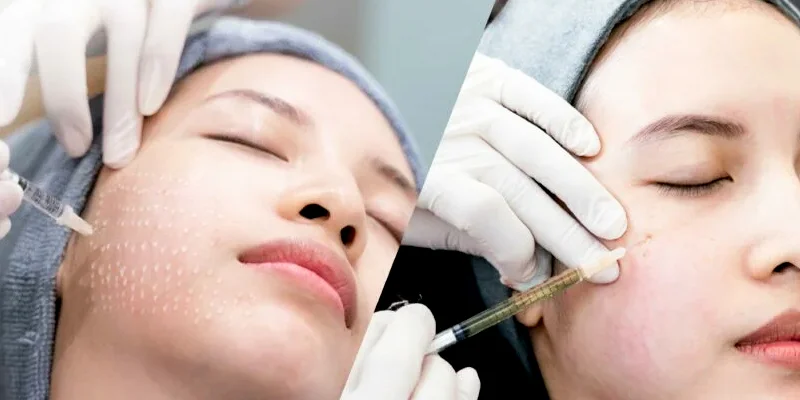
Why Get a Skin Booster?
Regardless of which active ingredient is used, skin boosters share a common set of benefits:
- Rejuvenates skin from within — lifts, firms, and addresses sagging caused by aging
- Helps treat pigmentation issues like dark spots, acne scars, and freckles
- Evens out and naturally brightens skin tone
- Restores skin health, especially for thin or sensitized skin from over-exfoliation or aggressive treatments
- Improves inflammation, dryness, redness, roughness, and enlarged pores
The 4 Main Types of Skin Booster Ingredients
1. PRP (Platelet-Rich Plasma)
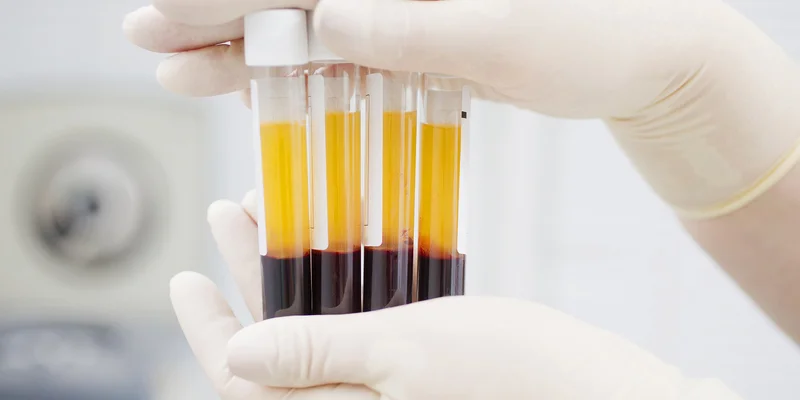
PRP uses your own blood, spun in a centrifuge to concentrate platelets, which are then re-injected to heal skin damage. Its biggest advantage is safety — since nothing foreign enters your body, there’s no risk of allergic reaction — with results that build progressively over a full course of sessions (the exact number depends on your skin’s condition).
2. PDRN (Salmon DNA Extract)
PDRN stands for PolyDeoxyRiboNucleotide — an active extracted from the DNA of salmon roe, chosen because it’s roughly 95% biocompatible with human tissue. Once injected, PDRN accelerates the skin’s natural repair process and stimulates tissue and cell growth, effectively “healing” skin issues while restoring youthfulness to aging, tired skin.
3. Exosomes
Exosomes are extracellular vesicles secreted by living cells, acting as signaling messengers that stimulate skin cell growth, thicken and firm the skin, and repair damage from the inside out to help restore skin to its original, healthy state. They’re gentle and highly biocompatible, with a low rejection rate — which is why, being suitable for virtually every skin type and minimally invasive, Exosomes have become the most sought-after active ingredient in skin boosters today.

4. HA (Hyaluronic Acid)
HA is the most common active used in skin boosters, often combined with other ingredients to boost overall effectiveness. Unlike the other three, which need time to trigger the skin’s natural healing response, HA delivers a visible plumping effect almost immediately after injection. That said, some skin types may react sensitively, so a proper consultation with your physician beforehand is essential.
How Long Do Skin Booster Results Last?
On average, skin booster treatments last 10-16 months across a full course of 2-3 sessions. The exact duration depends on the quality of the active ingredient used and any complementary technology involved. Beyond treating specific concerns, many providers also recommend a maintenance session roughly every 12 months as an ongoing part of a skin health routine.
Are Skin Boosters Safe?
Skin boosters are a minimally invasive treatment that primarily uses gentle, biocompatible actives, with low risk and fast recovery. Each ingredient carries its own specific properties, but broadly speaking, all of them work by stimulating the skin’s own “repair and heal” mechanism — making skin boosters suitable for the vast majority of skin types, including sensitive skin.
That said, skin boosters can still cause side effects if the active ingredient used isn’t properly sourced or verified, or if the procedure is performed at an under-qualified facility without a licensed physician.
This article is for general information only and isn’t a substitute for a professional medical consultation. Always consult a licensed physician to determine which active ingredient fits your skin condition and goals.
Frequently Asked Questions
Which skin booster ingredient works fastest?
HA (hyaluronic acid) tends to deliver the most immediate visible plumping effect, since it works by adding volume directly rather than waiting for a biological repair response. PRP, PDRN, and Exosomes build results more gradually as they trigger your skin’s natural regeneration process.
Is exosome or PDRN better for anti-aging?
Both are regenerative actives with overlapping benefits for fine lines, sagging skin, and pigmentation. Exosomes tend to be favored for their smaller particle size, high biocompatibility, and broad suitability across skin types, while PDRN is well-studied for its DNA-repair and healing properties. Many physicians choose based on your specific skin condition rather than one being universally “better.”
Can I combine different skin booster ingredients?
Yes — many providers combine actives (for example, Exosomes with amino-acid-rich micro-fibers) to target multiple concerns in a single session. Discuss combination options with your physician based on your skin goals.
How many sessions of skin booster will I need?
Most protocols recommend 2-3 sessions for a full course, with results lasting 10-16 months. Your physician will tailor the exact number to your skin’s condition and the ingredient used.
Which Skin Booster Is Right for You?
If your priority is safety and using nothing foreign to your body, PRP is worth discussing with your physician. If you want proven DNA-repair benefits, PDRN is a strong option. If you want the broadest suitability across skin types with minimal risk of reaction, Exosomes are currently the most sought-after choice. And if you want a visible, near-immediate plumping effect, HA delivers that fastest — though it’s worth checking your skin’s sensitivity first.
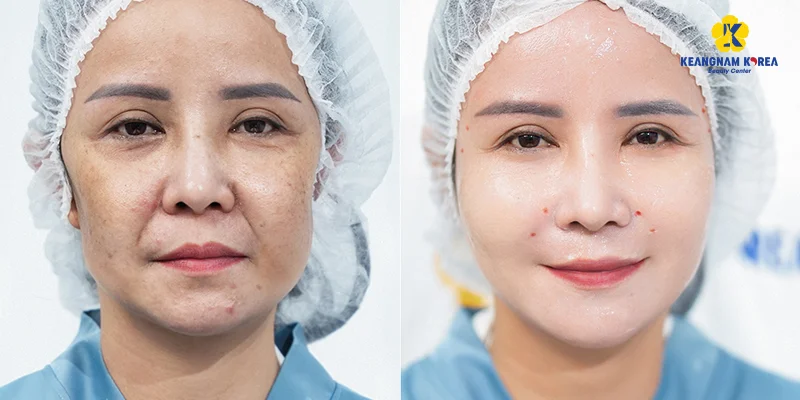
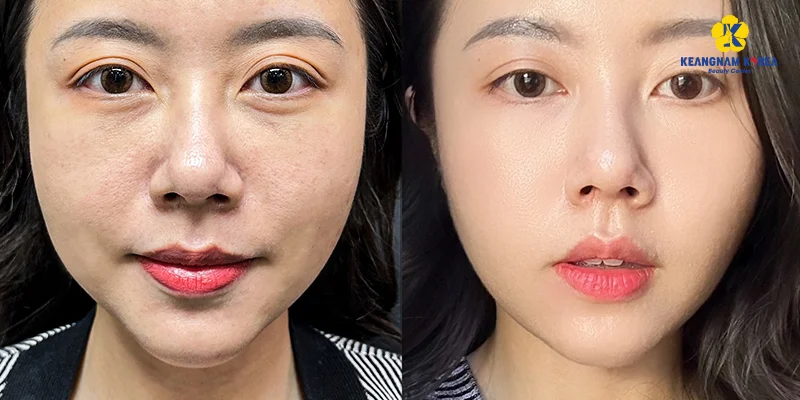
Keangnam Korea’s signature Reborn Cell Extra+ treatment uses purified Exosomes combined with Nano Pal-Max micro-fiber technology, boosting collagen production by up to 8x compared to standard mesotherapy — one of the newest-generation rejuvenation technologies available today.
FREE CONSULTATION — Talk to a Keangnam Korea physician about which skin booster ingredient fits your skin best.