You can soften fine forehead wrinkles at home with a consistent routine: gentle cleansing, light exfoliation, a retinoid at night, antioxidant and hydrating serums, a good moisturizer, and daily SPF 30+ sunscreen. Treating forehead wrinkles at home works best for early lines and takes 2–3 months to show results. Deep, etched creases usually need professional treatment.
Not every forehead line needs a clinic visit. If your lines are still fine, or only appear when you raise your eyebrows, the right skincare routine can make a visible difference, and it protects your skin from new damage at the same time.
The key is not using more products, but using the right ones in the right order, consistently. This guide from Keangnam Korea walks you through a dermatologist-style routine for forehead wrinkles at home, with practical tips for every skin type.

Nội dung
- What Skincare Can (and Can’t) Do for Forehead Wrinkles
- Your 6-Step Routine for Forehead Wrinkles at Home
- Sample Morning and Evening Routine
- Habits That Support Your Routine
- Common Mistakes When Treating Forehead Wrinkles at Home
- How Long Until You See Results?
- When Home Care Isn’t Enough
- Frequently Asked Questions
- Get a Personalized Routine From a Doctor
What Skincare Can (and Can’t) Do for Forehead Wrinkles
Before you start, it helps to set realistic expectations.
Skincare can:
- Soften fine lines and lines caused by dehydration
- Improve skin texture, tone, and radiance
- Support collagen production over time (mainly with retinoids)
- Prevent new damage from the sun, the biggest cause of premature aging
Skincare can’t:
- Stop the forehead muscle from folding the skin
- Erase deep lines that stay visible when your face is relaxed
Why Retinoids and Sunscreen Do the Heavy Lifting
Most skincare ingredients work on the surface: they hydrate, smooth, or brighten. Retinoids are different. They bind to receptors inside skin cells, speeding up cell turnover and signaling fibroblasts to produce more collagen. That’s why they’re considered the gold standard for fine lines.
Sunscreen is the other half of the equation. UV radiation activates enzymes that break down collagen, so every unprotected day undoes part of your progress. A routine with a retinoid at night and sunscreen in the morning outperforms any combination of other products.
If you’re not sure whether your lines are fine (dynamic) or deep (static), read our complete guide on how to get rid of forehead wrinkles, which explains each severity level and the treatments that match it.
Your 6-Step Routine for Forehead Wrinkles at Home
Step 1: Cleanse Gently
Clean skin absorbs active ingredients better and is less prone to irritation. The goal is to remove dirt, sunscreen, and makeup without stripping your skin barrier.
- Morning: a mild, low-pH, fragrance-free cleanser is enough
- Evening: if you wear sunscreen or makeup, double cleanse, first with a remover, then with your regular cleanser
Choose a remover that suits your skin:
| Skin Type | Best First-Cleanse Product |
|---|---|
| Normal, oily, or acne-prone | Micellar water or a water-based remover |
| Dry or mature | Cleansing oil or balm |
| Sensitive | Fragrance-free micellar water or a gentle cleansing milk |
Massage your cleanser in for about a minute, paying attention to the forehead and hairline, then rinse with lukewarm, not hot, water.

Step 2: Use a Hydrating Toner (Optional)
Older cleansers were often alkaline, so toners were needed to “rebalance” the skin. Most modern cleansers are already pH-balanced, so toner is optional.
If you enjoy one, choose a hydrating, alcohol-free formula:
- Dry skin: toners or essences with hyaluronic acid or glycerin
- Oily skin: a light toner with a low concentration of BHA (salicylic acid), used a few times a week
- Sensitive skin: fragrance-free, alcohol-free formulas with calming ingredients

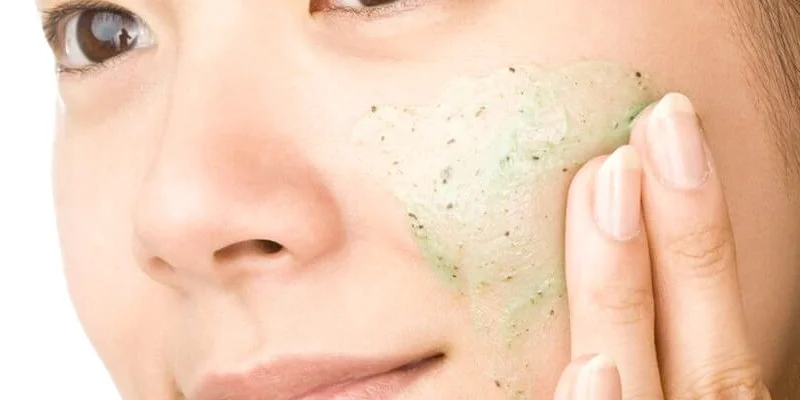
Step 3: Exfoliate Once or Twice a Week
Dead skin cells that build up on the surface make skin look dull and rough, and can make fine forehead lines more noticeable. Gentle exfoliation smooths the surface and helps serums absorb.
- Choose chemical exfoliants like AHAs (glycolic or lactic acid) or gentler PHAs over gritty scrubs
- Start once a week, and increase to twice a week only if your skin stays calm
- Skip exfoliation on the nights you use a retinoid
Step 4: Apply Targeted Serums
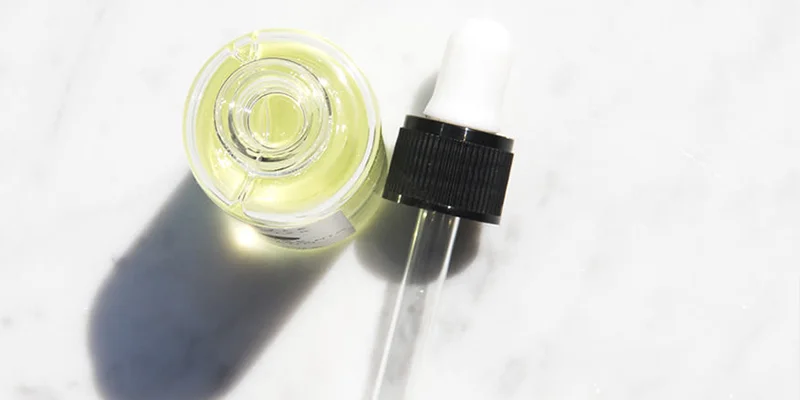
This is where you treat forehead wrinkles at home most directly. Not all ingredients are equally proven, so it’s worth knowing what each one does:
| Ingredient | What It Does | When to Use | Strength of Evidence |
|---|---|---|---|
| Retinol / retinoids | Boosts cell turnover and collagen | Night | Strongest |
| Vitamin C | Antioxidant; protects collagen, brightens | Morning | Good |
| Niacinamide | Supports barrier, evens tone, may soften fine lines | Morning or night | Moderate |
| Peptides | Signal skin to support firmness | Morning or night | Emerging |
| Hyaluronic acid | Hydrates and plumps temporarily | Morning and night | Good for hydration only |
How to start a retinoid without irritation:
- Choose a low-strength retinol if you’re a beginner
- Use a pea-sized amount for the whole face, on completely dry skin
- Start with 1–2 nights per week, then move to every other night after a few weeks if your skin tolerates it
- Follow with a moisturizer to reduce dryness
Don’t confuse retinol with tretinoin. Tretinoin (usually 0.025%–0.1%) is a stronger, prescription-only retinoid that should be used under a doctor’s guidance. Avoid all retinoids if you’re pregnant, and ask your doctor first if you’re breastfeeding.
Pro Tip: Before using a new serum on your whole face, test it on a small patch of skin, such as along your jawline, for several days. A 24-hour test can miss delayed irritation.
Step 5: Moisturize to Protect Your Barrier
Moisturizer locks in hydration, calms the dryness that actives can cause, and keeps your barrier strong, which matters even more when you use retinoids and acids.
| Skin Type | Recommended Texture |
|---|---|
| Oily or combination | Gel or light gel-cream |
| Normal | Lotion or light cream |
| Dry or mature | Rich cream with ceramides |
| Very dry | Cream with plant oils or squalane |
Look for ceramides, glycerin, and panthenol. Hydrating sheet masks are a nice extra a few times a week, but they’re optional rather than essential.

BOOK A SKIN EXAM
FREE CONSULTATION
Step 6: Never Skip Sunscreen
If you only do one thing for forehead wrinkles at home, make it this. Your forehead is one of the most sun-exposed areas of your face.
- Use a broad-spectrum sunscreen, SPF 30 or higher (SPF 50+ is a smart choice in strong tropical sun)
- Apply about 1 teaspoon to your face and neck
- Apply it around 15 minutes before going outside
- Reapply every 2 hours outdoors, and right after sweating or swimming
- Add a wide-brimmed hat and sunglasses; sunglasses also reduce squinting and brow-raising
Wear sunscreen every morning, including cloudy days and days you spend near windows, especially if you use a retinoid, which makes skin more sensitive to the sun.
Sample Morning and Evening Routine
| Morning | Evening |
|---|---|
| 1. Gentle cleanser | 1. Remover (if you wore sunscreen or makeup) |
| 2. Hydrating toner (optional) | 2. Gentle cleanser |
| 3. Vitamin C serum | 3. Retinoid (or exfoliant on a different night) |
| 4. Moisturizer | 4. Hyaluronic acid serum (optional) |
| 5. Sunscreen SPF 30+ | 5. Moisturizer |
Habits That Support Your Routine
Skincare works best alongside healthy habits:
- Sleep 7–9 hours and try sleeping on your back to reduce facial creasing
- Don’t smoke; smoking accelerates collagen breakdown
- Manage stress and notice habits like raising your eyebrows while reading screens
- Eat a balanced diet rich in fruit, vegetables, and healthy fats
What about face yoga and forehead patches? Evidence for face yoga is limited to small studies, and it can’t relax an overactive forehead muscle. Silicone or hydrocolloid forehead patches can temporarily smooth lines overnight, but the effect fades within hours. Both are fine as extras, not as a replacement for the routine above.
Common Mistakes When Treating Forehead Wrinkles at Home
- Using too many actives at once. Retinol, acids, and vitamin C all in one night can damage your barrier and make lines look worse.
- Giving up too early. Retinoids usually need 2–3 months of consistent use before results show.
- Skipping sunscreen on “indoor” days. UVA passes through windows and keeps breaking down collagen.
- Scrubbing too hard. Harsh physical scrubs cause micro-irritation, especially on thin or sensitive skin.
- Using prescription products without supervision. Tretinoin or steroid creams bought without guidance can cause irritation and other side effects.
How Long Until You See Results?
- Hydration and moisturizer: within days, fine lines look softer
- Exfoliation: smoother texture within 2–4 weeks
- Retinoids: visible improvement in fine lines usually after 2–3 months, with continued improvement over the following months
- Sunscreen: the benefit is long-term, protecting every other result
When Home Care Isn’t Enough
If your forehead lines are still clearly visible when your face is relaxed after about three months of consistent care, they’re likely static wrinkles. At that point, skincare is best for maintenance, while professional options such as Botox or skin regeneration treatments like Reborn Cell Extra+ target the deeper crease.
A skin exam helps you understand which approach suits your lines, so you don’t waste months on products that can’t reach the problem.
Frequently Asked Questions
Can you get rid of forehead wrinkles at home naturally?
You can soften fine forehead lines at home with a retinoid, hydrating serums, a good moisturizer, and daily sunscreen. Deep lines that stay visible when your face is relaxed usually need professional treatment.
What is the best ingredient for forehead wrinkles?
Retinoids have the strongest evidence for fine lines because they stimulate collagen production. Daily broad-spectrum sunscreen is equally important to prevent new damage.
How often should I use retinol on my forehead?
Start with 1–2 nights a week, using a pea-sized amount for the whole face. If your skin stays comfortable after a few weeks, increase to every other night.
Do forehead wrinkle patches work?
Forehead patches can smooth lines temporarily, mostly overnight, but the effect fades within hours. They don’t change collagen or muscle activity.
At what age should I start a routine for forehead wrinkles?
Daily sunscreen should start as early as possible. Many people add a retinoid in their mid-to-late 20s, when the first fine lines often appear.
Get a Personalized Routine From a Doctor
Every skin type responds differently. A short skin exam can tell you which ingredients suit your skin, which concentration to start with, and whether your forehead lines need more than skincare.
Want a routine tailored to your skin? Contact our hotline at +84 911 833 555 to book a skin exam with our doctors and get personalized advice.
FREE CONSULTATION