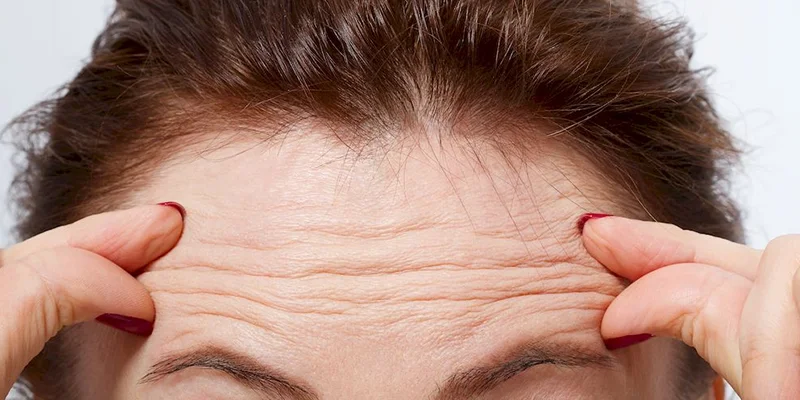
The right way to treat forehead wrinkles depends on how deep they are. Fine lines respond to hydration, gentle exfoliation, and retinoids. Lines caused by repeated brow-raising respond best to Botox, which lasts about 3–4 months. Deep, etched forehead wrinkles usually need in-clinic treatments that rebuild skin quality, combined with daily sun protection.
Forehead wrinkles are no longer a “40-plus” problem. Many people now notice their first horizontal lines in their late 20s, thanks to sun exposure, screen-time squinting, stress, and expressive habits like constantly raising their eyebrows.
The good news: these lines are one of the most treatable signs of aging, as long as you match the method to the type and depth of the line. This guide from Keangnam Korea explains why forehead lines form, how to judge your own severity level, and five approaches from simple skincare to advanced clinic treatment.
Nội dung
- Why Forehead Wrinkles Form
- Find Your Severity Level First
- Method 1: Hydrate to Soften Newly Formed Forehead Wrinkles
- Method 2: Gentle Exfoliation and Retinoids for Early Lines
- Method 3: Botox for Deeper, Dynamic Forehead Wrinkles
- Method 4: Meso SPI Needle-Free for Mild to Moderate Forehead Wrinkles
- Method 5: Reborn Cell for Moderate to Severe Forehead Wrinkles
- Comparing Forehead Wrinkle Treatments at a Glance
- Common Mistakes When Treating Forehead Wrinkles
- How to Prevent Forehead Wrinkles From Getting Deeper
- Frequently Asked Questions
- Smoother Skin Starts With the Right Diagnosis
Why Forehead Wrinkles Form
Your forehead is covered by a broad muscle called the frontalis. Every time you raise your eyebrows, whether you’re surprised, concentrating, or trying to open your eyes wider, this muscle contracts and folds the skin above it into horizontal creases.
When you’re young, skin springs back instantly. Over time, several factors weaken that recovery:
- Collagen and elastin decline with age, so skin loses firmness and bounce
- UV exposure breaks down collagen faster, which is the leading cause of premature skin aging
- Dehydration makes fine lines look deeper and more numerous
- Smoking, poor sleep, and chronic stress accelerate skin aging
- Genetics and facial habits determine how strongly and how often you use your forehead muscles
Expert Insight: Dynamic vs. Static Forehead Wrinkles
Dermatologists divide forehead lines into two types, and the difference decides which treatment will actually work.
Dynamic wrinkles only appear when the muscle moves. Raise your eyebrows and they show up; relax and they disappear. These are driven by muscle activity, so treatments that relax the muscle, such as Botox, work very well.
Static wrinkles remain visible even when your face is completely relaxed. They form when years of repeated folding, combined with collagen loss, leave a permanent crease in the dermis. Relaxing the muscle helps, but the crease itself also needs treatments that rebuild skin structure. Most people with long-standing lines have a mix of both.
Find Your Severity Level First
Before choosing a treatment, look at your forehead in natural light, first relaxed, then with your eyebrows raised.
| Level | What You See | Typical Type | Where to Start |
|---|---|---|---|
| Mild | Faint lines only when raising brows; skin looks dry or dull | Dynamic, often dehydration-related | Methods 1 and 2 |
| Moderate | Lines visible at rest but shallow; deeper when moving | Dynamic plus early static | Methods 2, 3, and 4 |
| Severe | Deep, etched lines visible at rest, sometimes with skin laxity | Mostly static | Methods 3 and 5, plus daily prevention |
If you’re unsure which level you’re at, a doctor can assess your forehead in a few minutes.
Method 1: Hydrate to Soften Newly Formed Forehead Wrinkles
Dehydrated skin loses its plumpness, making fine lines more visible. Restoring hydration won’t erase an etched crease, but it can noticeably soften very early, dehydration-related forehead wrinkles and improve how your skin reflects light.
Look for these hydrating and barrier-supporting ingredients:
- Hyaluronic acid: draws water into the upper layers of the skin
- Glycerin: a reliable, inexpensive humectant
- Ceramides: rebuild the lipid barrier that keeps moisture in
- Panthenol (vitamin B5): soothes and supports barrier repair
Choose the texture that suits your skin:
- Dry skin: richer creams
- Oily or combination skin: lightweight gels, lotions, or serums
- Sensitive skin: fragrance-free formulas with short ingredient lists
Pro Tip: Apply your hyaluronic acid serum to slightly damp skin, then seal it in with a moisturizer. On very dry skin, hyaluronic acid used alone in a dry climate can feel tight rather than plump.

Method 2: Gentle Exfoliation and Retinoids for Early Lines
Dead skin cells that build up on the surface make skin look rough and dull, and can make fine lines more noticeable. Regular, gentle exfoliation smooths the surface and helps your other products absorb better.
There are three main approaches:
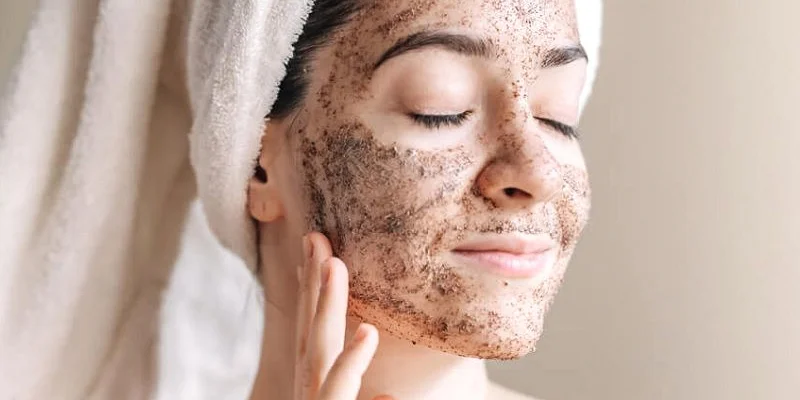
- Physical exfoliants (scrubs, cleansing brushes): easy to overdo; skip harsh, gritty scrubs on the face
- Chemical exfoliants: AHAs (such as glycolic or lactic acid), BHA (salicylic acid), and the gentler PHAs
- Professional chemical peels: performed in a clinic at controlled strengths and depths
How often? Start with once a week. If your skin tolerates it, increase to two or three times a week at most. Sensitive or dry skin often does best at once a week.
The ingredient with the strongest evidence for fine lines, however, isn’t an exfoliant. Retinoids speed up skin cell turnover and support collagen production over time. Retinol is available over the counter, while tretinoin is a prescription retinoid. Expect several months of consistent use before results show, and avoid retinoids during pregnancy.
Common Mistake: Over-Exfoliating to “Erase” Lines Faster
Stacking a scrub, an acid toner, and a retinoid every night doesn’t speed up results. It damages the skin barrier, causing redness, stinging, and flaking, which actually makes lines look worse. Introduce one active at a time, and never exfoliate on the same night you start a new retinoid.
Method 3: Botox for Deeper, Dynamic Forehead Wrinkles
When lines are clearly driven by muscle movement, Botox is one of the most effective and well-studied options. Botulinum toxin temporarily blocks the nerve signals that make the frontalis contract, so the skin above it stops folding.
What to expect:
- Approval: BOTOX Cosmetic is approved to temporarily improve the look of moderate to severe forehead lines in adults
- Onset: results become fully visible within about 5–7 days
- Duration: effects typically last 3–4 months, so maintenance injections are needed
- Possible side effects: headache, bruising at the injection site, and, less commonly, temporary eyelid or eyebrow drooping
Because the forehead muscle also lifts the eyebrows, dosing and placement require real skill. Too much product, or product placed too low, can leave brows heavy or flat. Always choose a qualified doctor who assesses your brow position and facial balance first.
For static, etched lines, Botox softens but rarely removes the crease completely. That’s where skin-quality treatments come in.
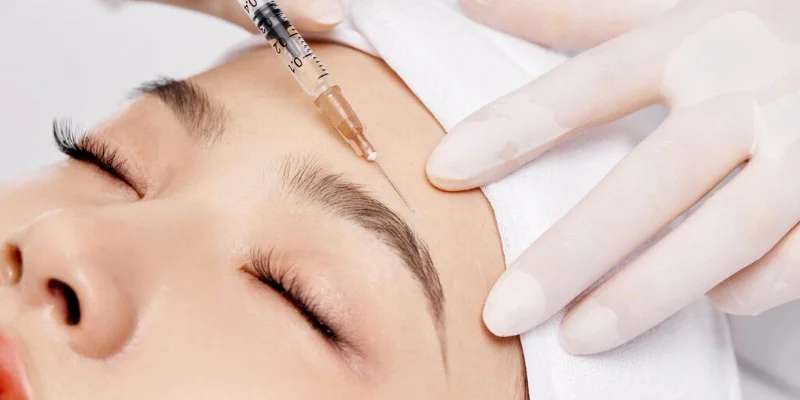
Skin booster injections such as PRP, PDRN (salmon DNA), hyaluronic acid, and Exosome-based products aim to improve hydration, texture, and fine lines rather than paralyze muscle. You can read how each ingredient works in our guide to skin booster ingredients. Note that Exosome treatments are still new: research is promising, but no Exosome product has yet been approved by the US FDA.
Method 4: Meso SPI Needle-Free for Mild to Moderate Forehead Wrinkles
Not everyone is ready for injections. For people with mild to moderate aging who want a gentler option, Keangnam Korea offers Meso SPI, a needle-free rejuvenation treatment.
According to the clinic, Meso SPI uses a needle-free delivery system to infuse Exosome-based actives into the skin, with no needle marks and minimal downtime. A course typically involves 2–4 sessions, depending on your skin’s condition.
It’s worth keeping expectations realistic. Needle-free delivery is gentler, but the skin barrier limits how deeply large molecules can travel, so this type of treatment is best suited to improving skin quality, hydration, and fine forehead lines, rather than deep, etched creases.
BOOK AN AGING LEVEL ASSESSMENT
FREE CONSULTATION
Method 5: Reborn Cell for Moderate to Severe Forehead Wrinkles
Long-standing forehead lines usually come with thinning skin and reduced collagen. For these cases, Keangnam Korea offers Reborn Cell, the clinic’s flagship rejuvenation technology, transferred from LUX Group in Korea.
According to the clinic, Reborn Cell uses Nano Pal-Max micro-fibers to deliver Exosome into the deeper layers of the skin, with the aim of stimulating collagen production and improving firmness, texture, and overall skin quality, not only on the forehead but across the whole face.
For deep, etched lines, the most effective plans are often combined: a muscle-relaxing treatment for the dynamic component, plus a regenerative treatment for the static crease and skin quality. Your doctor will recommend the right combination after assessing your skin.
→ Learn more about Reborn Cell at Keangnam Korea
BOOK AN AGING LEVEL ASSESSMENT
FREE CONSULTATION
Comparing Forehead Wrinkle Treatments at a Glance
| Method | Best For | How Soon You See Results | How Long It Lasts | Downtime |
|---|---|---|---|---|
| Hydration | Dry, very fine lines | Days | While you keep using it | None |
| Exfoliation + retinoids | Fine lines, dull texture | Several weeks to months | Ongoing with use | Mild dryness or peeling at first |
| Botox | Dynamic lines from muscle movement | 5–7 days | About 3–4 months | Minimal |
| Meso SPI needle-free | Mild to moderate lines, skin quality | After a course of sessions | Varies; maintenance recommended | Minimal |
| Reborn Cell Extra+ | Moderate to severe lines, laxity | Gradual, as skin regenerates | Varies by skin and aftercare | Minimal, per the clinic |
Dermatologists may also use other tools for static forehead wrinkles, including laser resurfacing, microneedling, and radiofrequency. Dermal fillers are used more cautiously on the forehead and should only be performed by an experienced doctor.
Common Mistakes When Treating Forehead Wrinkles
- Skipping sunscreen. UV exposure is the biggest preventable cause of skin aging. Without daily protection, any treatment result fades faster.
- Expecting skincare to erase deep lines. Creams improve fine lines and texture; etched static wrinkles usually need professional treatment.
- Choosing an injector on price alone. Poorly placed Botox can cause heavy or uneven brows.
- Treating only the muscle or only the skin. Moderate to severe forehead wrinkles usually need both approaches.
- Stopping maintenance. Botox wears off, and collagen keeps declining with age. Results last longest with a simple, consistent routine.
How to Prevent Forehead Wrinkles From Getting Deeper
Whatever treatment you choose, these habits protect your results:
- Wear broad-spectrum sunscreen (SPF 30 or higher) every day, even when it’s cloudy
- Wear sunglasses outdoors to reduce squinting and brow-raising
- Use a retinoid at night once your skin has adjusted to it
- Don’t smoke, and protect your sleep
- Notice your habits, such as raising your eyebrows while reading screens or talking
Pro Tip: Take a relaxed-face photo of your forehead every three months in the same light. It’s the easiest way to see whether lines are progressing from dynamic to static, and when it’s time to step up treatment.
Frequently Asked Questions
Can forehead wrinkles be removed permanently?
Not permanently. Treatments can significantly soften or temporarily remove forehead wrinkles, but aging, sun exposure, and muscle movement continue. Most results need maintenance.
At what age do forehead wrinkles usually appear?
Many people notice the first fine forehead lines in their late 20s or early 30s. Sun exposure, genetics, and facial expressions can make them appear earlier.
How long does Botox for forehead lines last?
Botox for forehead lines typically lasts 3–4 months. Some people find that results last a little longer with regular treatments.
Can I get rid of forehead wrinkles naturally at home?
At home, you can soften fine lines with hydration, gentle exfoliation, retinoids, and daily sunscreen. These work best for mild, early lines and as maintenance after professional treatment.
What’s the difference between forehead wrinkles and frown lines?
Forehead wrinkles are horizontal lines across the forehead caused by the frontalis muscle. Frown lines (the “11s”) are vertical lines between the eyebrows caused by different muscles, and they’re treated slightly differently.
Smoother Skin Starts With the Right Diagnosis
The fastest way to get rid of forehead wrinkles is to stop guessing. A professional skin assessment tells you whether your lines are dynamic, static, or both, and which treatment will give you the most natural result.
Want to know which method suits your forehead wrinkles? Call our hotline at +84 911 833 555 to book an aging level assessment with our doctors and receive a personalized treatment plan.
FREE CONSULTATION