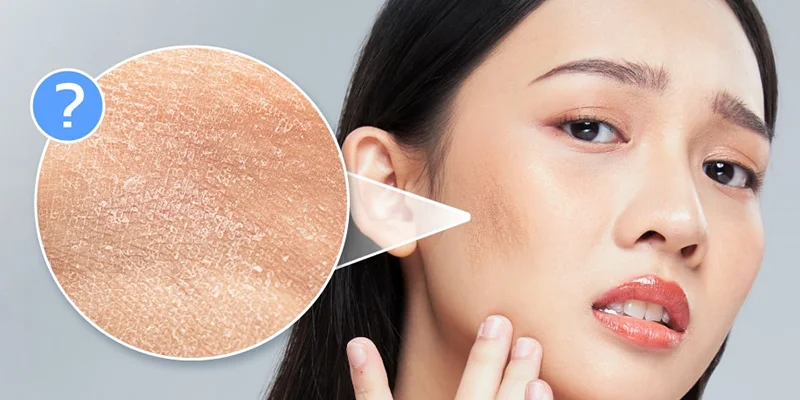
To choose the most effective Skin pigmentation treatment, customers must first determine the exact severity level of their pigmentation condition. Only then can you find the right, scientific solution for complete improvement. In the article below, Keangnam Korea will guide you through the three pigmentation levels and suggest suitable treatment methods for each. Let’s explore together!
Nội dung
3 Levels of Skin Pigmentation and How to Identify Them
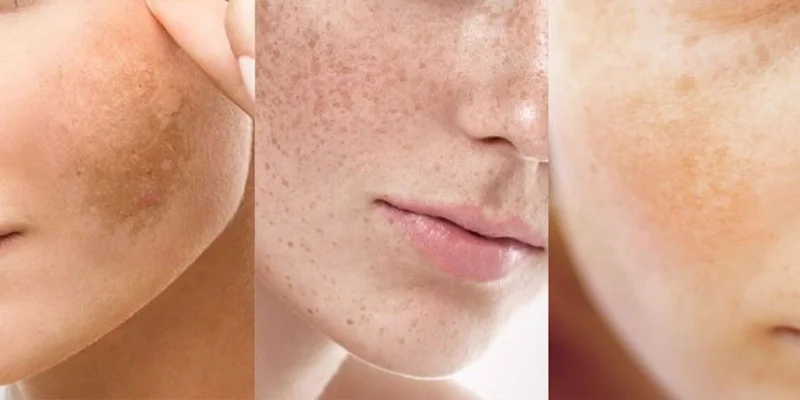
Level 1: Mild Surface Pigmentation
As the name suggests, the mildest level appears as light brown, yellow, or gray patches with pale tones. These spots often resemble freckles, making them easy to confuse. The pigmentation can appear on the forehead, cheeks, nose, chin, and other areas, usually with fewer than 20 spots.
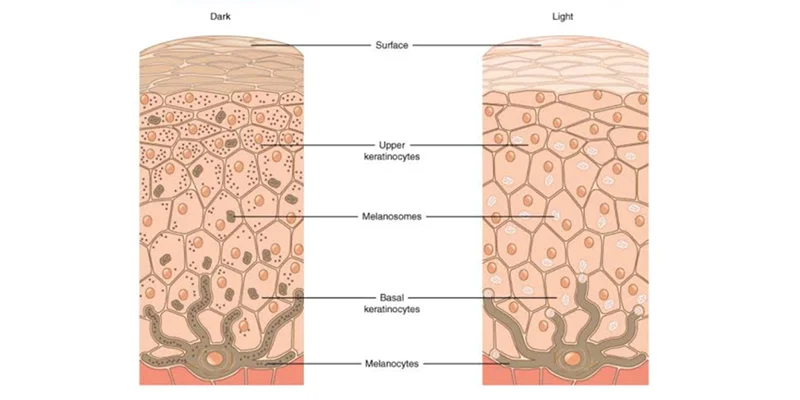
The most common causes are environmental factors such as direct sun exposure or unsuitable cosmetics. As a result, pigmentation forms on the skin surface and becomes clearly visible. However, pigmentation caused by external factors is usually newly developed and has not penetrated deeply into the skin, remaining only in the epidermis. This is why Level 1 is also known as superficial pigmentation and is relatively easy to treat if detected early.
Level 2: Mixed Pigmentation
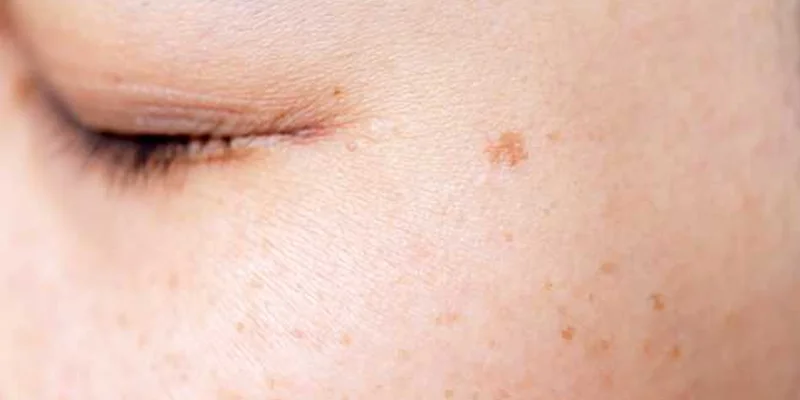
This is the most common condition among Vietnamese customers, especially women. Large pigmentation patches combined with deeper roots beneath the dermis appear scattered across the cheeks, chin, nose, around the eyes, forehead, and more, totaling over 20 spots.
The spots are round, approximately the size of a chopstick tip, and vary in color from light brown to dark brown. Because the skin condition is uneven in terms of pigmentation type, depth, and color, Skin pigmentation treatment becomes much more complex.
In addition, mixed pigmentation is often caused by internal factors such as hormonal imbalance, aging, and genetics, making Level 2 even more difficult to completely resolve.
Level 3: Deep Dermal Pigmentation
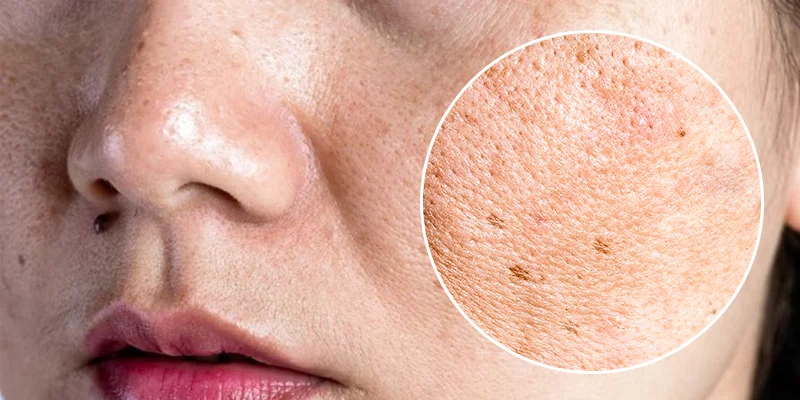
Level 3 is also the most difficult form to eliminate — severe deep-rooted pigmentation. The pigment roots lie deep within the lowest dermal layer and continue spreading densely across the face, especially on both cheeks, with totals reaching over 40 spots.
Causes of this condition include severe aging, hormonal changes due to pregnancy, genetics, mixed creams, perimenopause, and more. These are all complex factors that significantly affect skin health, damage the protective barrier, and create conditions for pigmentation to worsen. Therefore, deep dermal pigmentation is extremely difficult to treat and highly prone to recurrence, especially in people over 50 years old.
After understanding your pigmentation level, below are the corresponding Skin pigmentation treatment methods for each condition.
Skin Pigmentation Treatment Methods for Level 1
For mild pigmentation, simply strengthening skin protection and recovery while avoiding environmental damage can effectively improve the condition.
- Apply sunscreen with SPF 50 or higher daily
- Cover the skin carefully and avoid direct sun exposure between 9 AM and 4 PM
- Use skincare products containing glutathione, tranexamic acid, vitamin C, and similar ingredients to fade pigmentation and regenerate the skin
- Exfoliate regularly
- Apply or take products that help inhibit melanin production, the dark pigment responsible for discoloration
Although these Skin pigmentation treatment methods are simple, consultation with a dermatologist is still necessary. One of the causes of mild pigmentation is the misuse of cosmetics or inappropriate active ingredients. Therefore, always consult an expert before choosing products or medications to avoid worsening the condition.

Facial Skin Pigmentation Treatment Methods for Level 2
At Level 2, mixed pigmentation requires a combination of different Skin pigmentation treatment methods to completely remove all forms of pigmentation.
- Use skincare products that help fade pigmentation with ingredients such as glutathione, tranexamic acid, vitamin C, and more
- Biological skin peels using retinol, AHA, lactic acid, gluconic acid, and similar ingredients to regenerate new skin
You can actively incorporate these ingredients into your skincare routine. However, proper knowledge is essential because most of these methods involve strong treatment effects, and without careful recovery and maintenance, the skin can become weaker.
In addition, moderate pigmentation takes longer to improve and requires significant patience. If customers are not confident treating the condition at home or have tried for a long time without seeing results, they should seek more intensive treatments at reputable clinics or aesthetic centers.
You may also be interested in: Is pigmentation treatment at a dermatology hospital or aesthetic clinic better?
Clinics and aesthetic centers can provide specialized and highly effective Skin pigmentation treatment solutions tailored to each customer’s condition, needs, and preferences.
- Microneedling or dermarolling: low cost but deeply invasive and may cause pain or irritation
- Laser technology: expensive, directly targets pigmentation but may cause itching, burning, or redness
- Active ingredient infusion: minimally invasive, highly safe, addresses pigmentation from deep within the skin, provides longer-lasting results, but requires a reputable clinic to ensure the quality of ingredients and professional technique
Skin Pigmentation Treatment Methods for Level 3
The most severe level of pigmentation requires treatment at advanced aesthetic facilities with high technology to completely remove deep pigmentation roots and prevent recurrence. In these cases, topical products alone are ineffective or require an extremely long time to show visible results.
Therefore, customers should spend time undergoing professional skin analysis and following treatment methods prescribed by specialists to achieve brighter, even-toned skin with confidence.
Currently, the two most popular and favored Skin pigmentation treatment technologies on the market are laser and EXO PCELL+.
- Laser uses different wavelengths to target melanin pigments and destroy pigmentation on the epidermis, which also increases the risk of recurrence
- EXO PCELL+ infuses highly purified Exosome and high-concentration HA into the dermis to restore long-term skin brightness
When comparing these two therapies, EXO PCELL+ is considered superior thanks to its ability to deeply affect the skin without damaging the surface. The skin is repaired from within while being nourished externally, resulting in healthier and more beautiful skin.
In contrast, laser treatment mainly affects the skin surface and may cause redness, stinging, or even peeling.
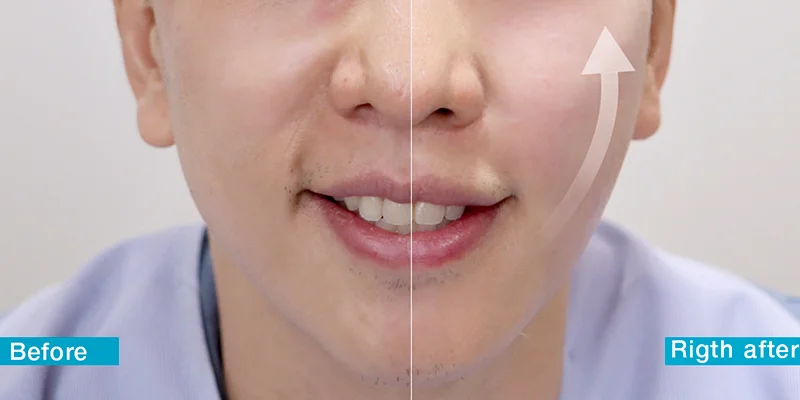
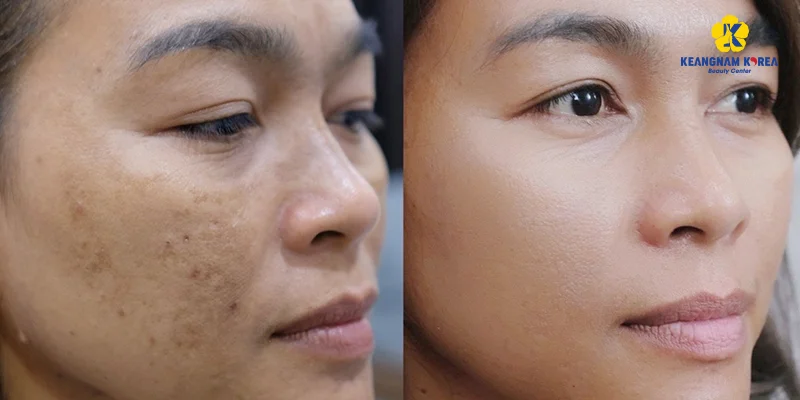
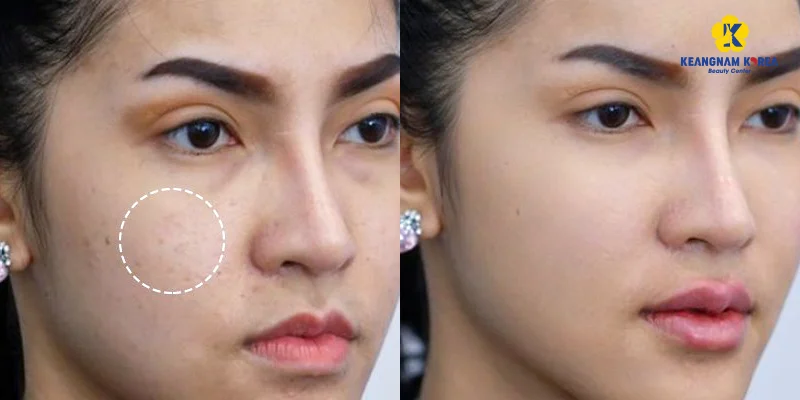
Customers removing pigmentation with EXO PCELL+
EXO PCELL+ is suitable for everything from superficial pigmentation to deep dermal pigmentation, optimized for different ages and genders.
→ Learn more: EXO PCELL+ Pigmentation Removal
If you are still unsure about your pigmentation level or the right Skin pigmentation treatment for your condition, visit Keangnam Korea for a direct consultation with our dermatologists. Or contact Hotline +84 911 833 555 for the fastest support!