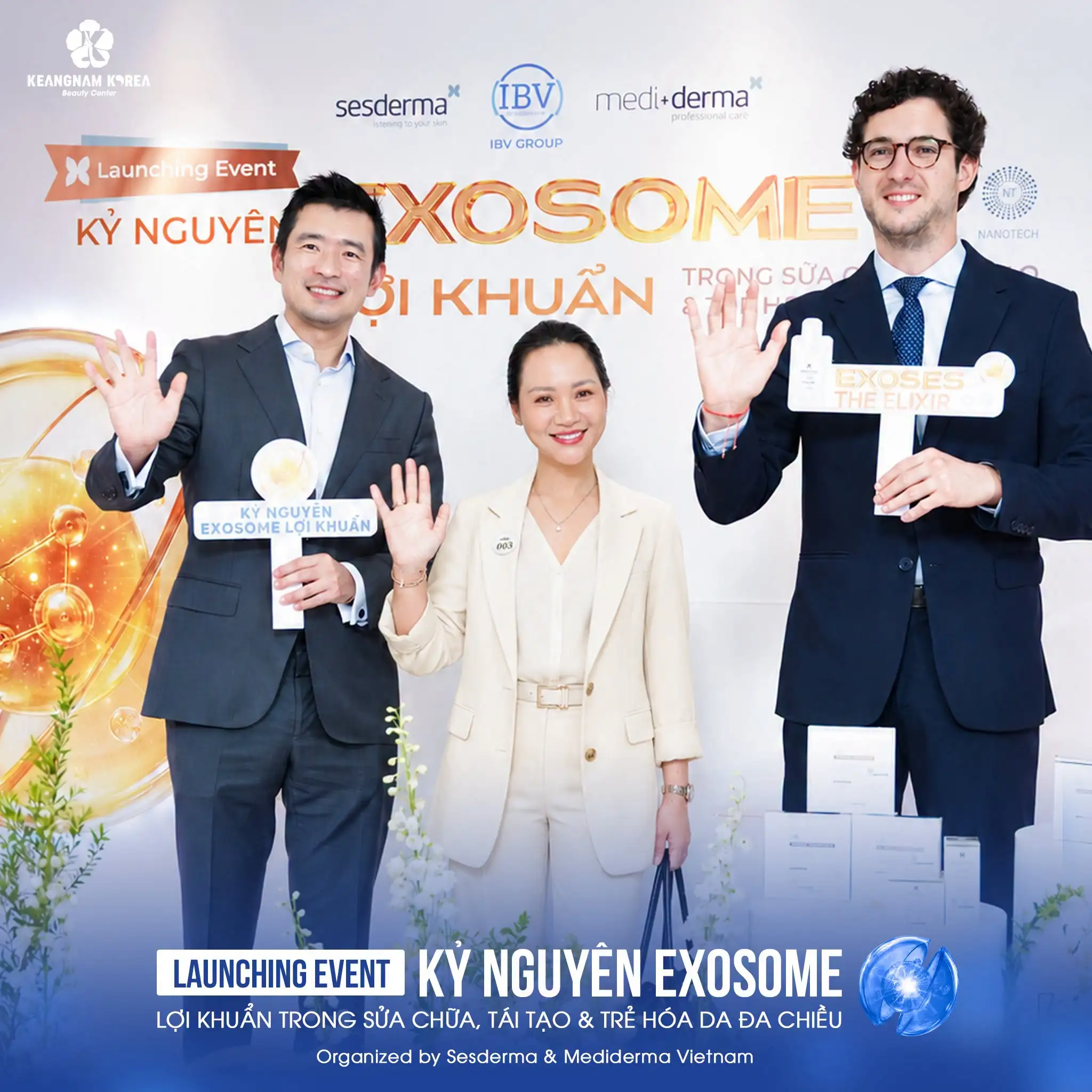
Keangnam Korea joined a scientific symposium exploring probiotic exosomes, regenerative dermatology, and evolving approaches to skin repair and skin rejuvenation.
Nội dung
- Understanding the Next Generation of Skin Regeneration
- Why Regenerative Dermatology Is Gaining Global Attention
- Exploring Scientific Perspectives on Probiotic Exosomes
- Continuous Learning Supports Better Clinical Decision-Making
- Investing in Knowledge, Not Just Technology
- Moving Forward with Scientific Innovation
Understanding the Next Generation of Skin Regeneration
Aesthetic dermatology is moving beyond traditional anti-aging concepts. Today’s innovations increasingly focus on supporting the skin’s natural regenerative processes, encouraging healthier skin function rather than simply addressing visible signs of aging.
Among the topics attracting growing attention is the study of probiotic exosomes, an emerging area being explored within regenerative dermatology.
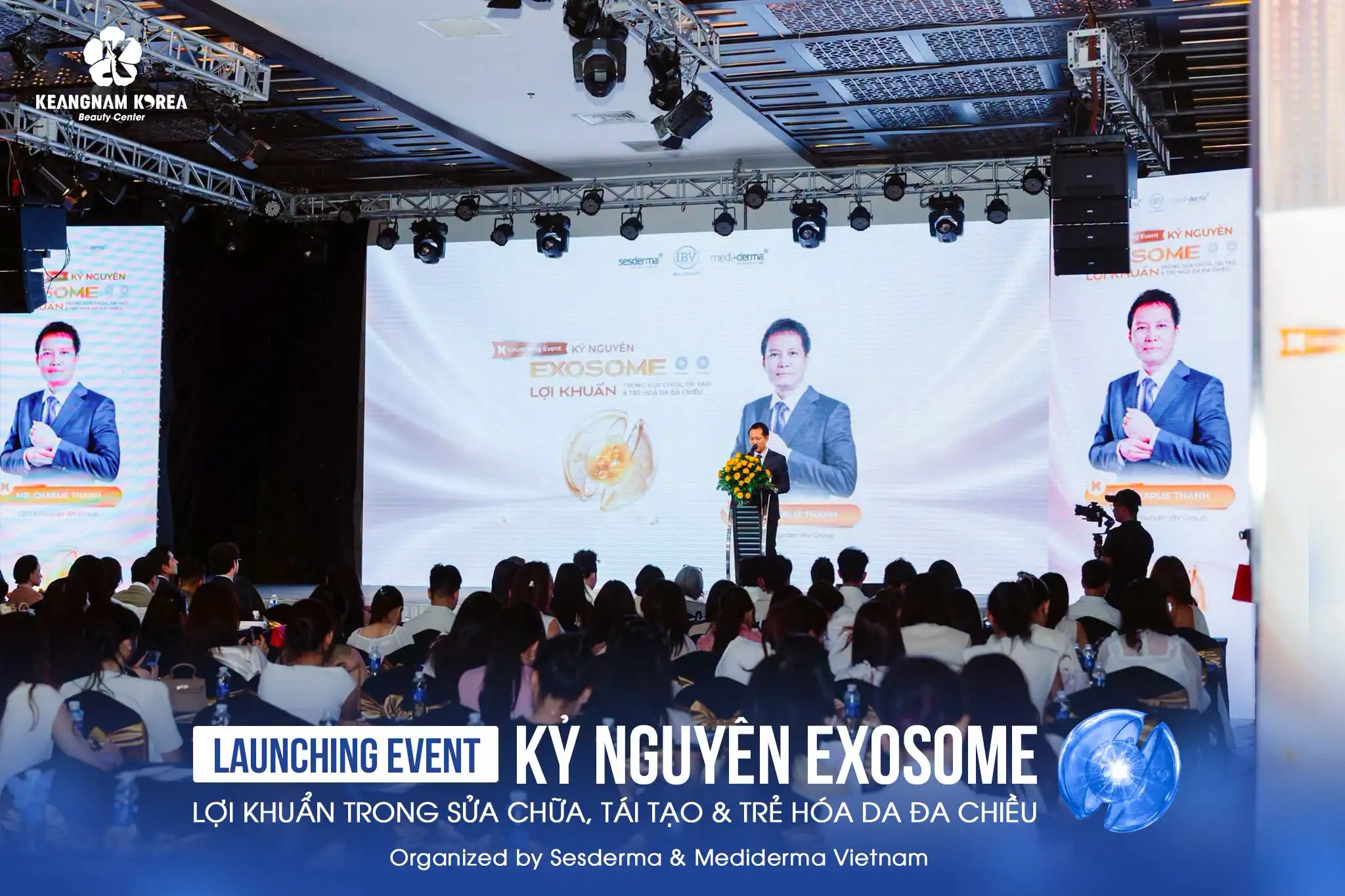
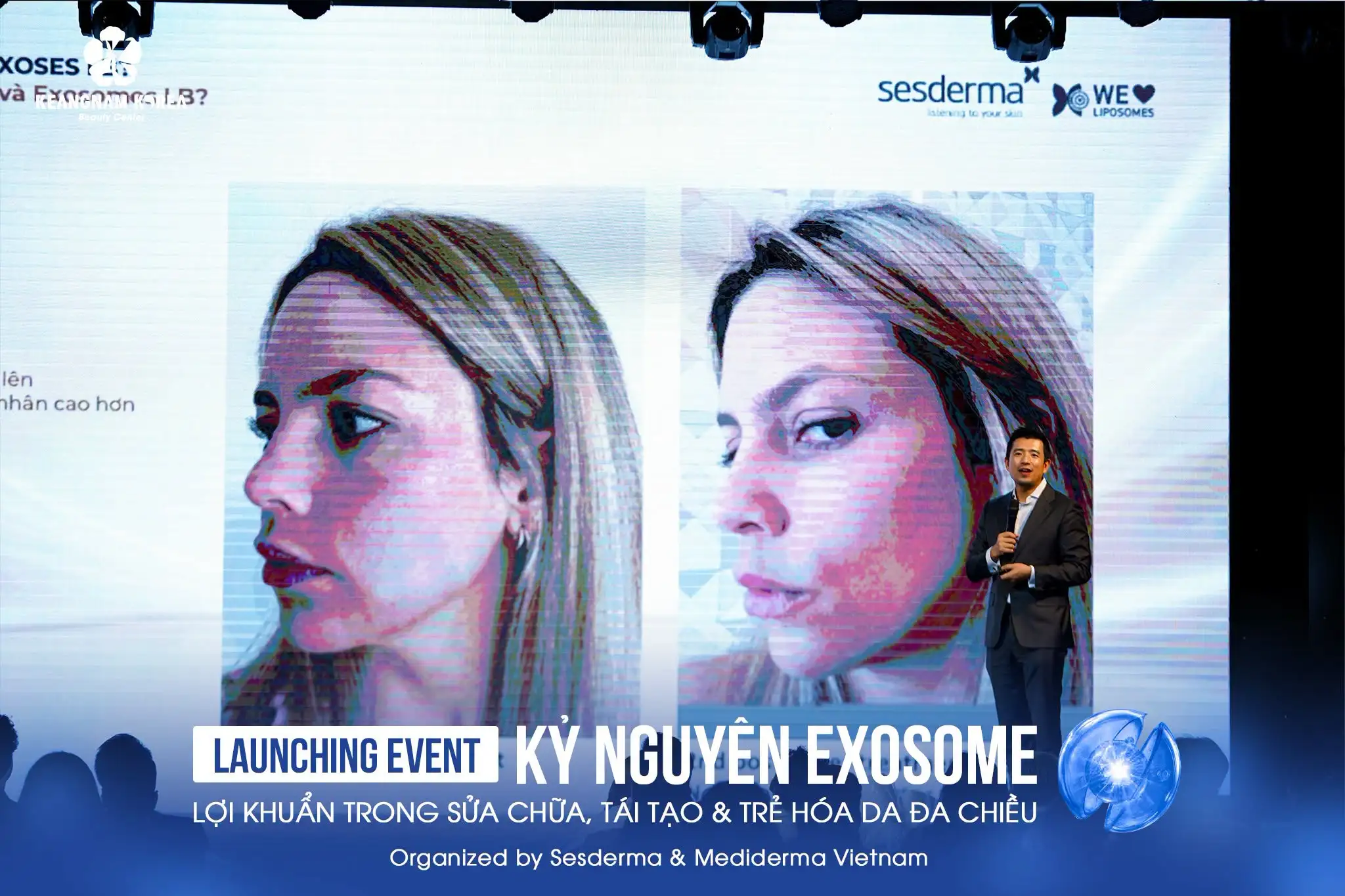
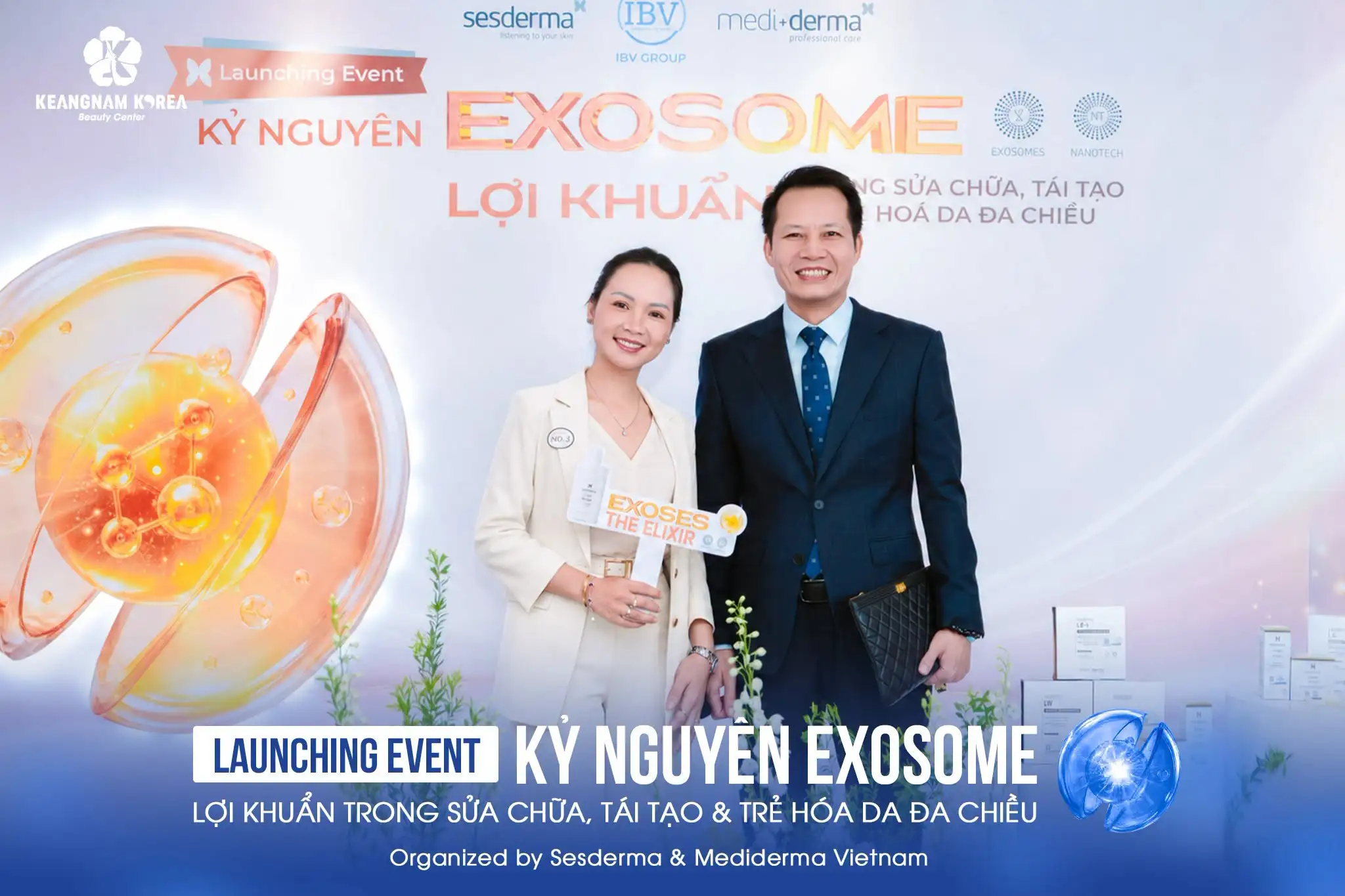
To stay informed about scientific developments shaping the future of aesthetic medicine, Keangnam Korea recently participated in the Launching Event 2026: “The Era of Probiotic Exosomes in Skin Repair, Regeneration & Multi-Dimensional Rejuvenation,” organized by Sesderma & Mediderma Vietnam.
The event gathered physicians, dermatologists, researchers, and aesthetic professionals to exchange knowledge on current research and evolving clinical perspectives.
Why Regenerative Dermatology Is Gaining Global Attention
Patients today often seek aesthetic solutions that prioritize long-term skin quality alongside cosmetic improvement.
This shift has encouraged growing interest in regenerative dermatology, a field that investigates biological mechanisms involved in maintaining healthier skin.
Current areas of scientific discussion include:
- Skin regeneration
- Tissue repair mechanisms
- Cellular communication
- Skin barrier support
- Personalized aesthetic medicine
- Multi-layer skin rejuvenation
These developments continue to influence how clinicians approach modern skin care and aesthetic planning.
Exploring Scientific Perspectives on Probiotic Exosomes
Throughout the educational program, participants examined the latest discussions surrounding probiotic exosomes and their potential role within regenerative aesthetic medicine.
Topics presented during the symposium included:
- Scientific foundations of probiotic exosomes
- Emerging concepts in regenerative skin care
- Clinical observations from experienced practitioners
- Individualized approaches to skin rejuvenation
- Future directions for aesthetic dermatology
The symposium emphasized scientific education and professional dialogue rather than promoting a single treatment approach.
Continuous Learning Supports Better Clinical Decision-Making
In rapidly evolving medical fields, continuous education plays an essential role in maintaining high standards of patient care.
For Keangnam Korea, attending scientific conferences offers opportunities to:
- Stay updated with international research
- Exchange professional knowledge
- Review evidence from clinical experience
- Better understand emerging technologies
- Strengthen multidisciplinary collaboration
Professional development helps clinicians make informed decisions while adapting to ongoing advancements in aesthetic medicine.
Investing in Knowledge, Not Just Technology
Innovation in aesthetic medicine depends not only on new devices or products but also on the expertise of the professionals using them.
Keangnam Korea continues to prioritize:
- Ongoing medical education
- Scientific conferences
- Evidence-informed practice
- Clinical skill development
- Personalized patient assessment
This commitment reflects the clinic’s long-term philosophy of combining education with responsible clinical practice.
Moving Forward with Scientific Innovation
As regenerative dermatology continues to evolve, educational events provide valuable opportunities for clinicians to remain connected with the latest scientific thinking.
By participating in programs such as the Launching Event 2026, Keangnam Korea continues to broaden its professional knowledge, evaluate emerging research, and strengthen its understanding of modern approaches to skin health and rejuvenation.
The clinic remains committed to continuous learning and the responsible integration of new knowledge into aesthetic practice where clinically appropriate.