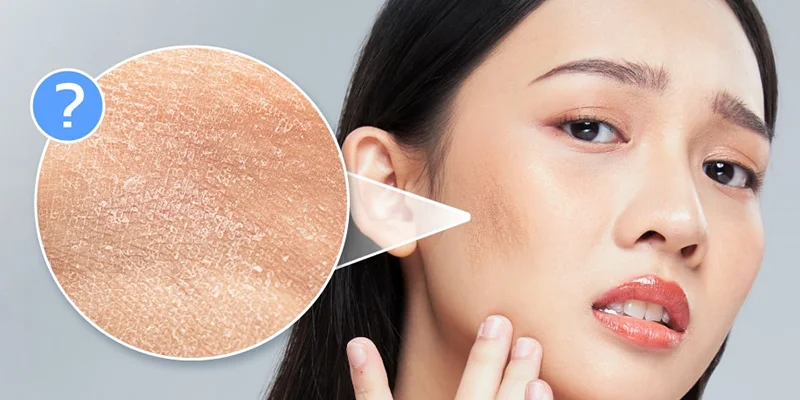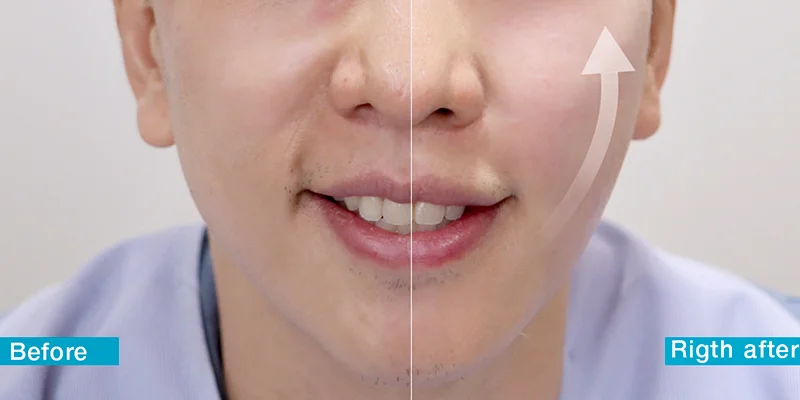
Mild melasma on both cheeks is one of the earliest signs that pigmentation is beginning to develop beneath the skin. If you notice this condition, it is important to begin treatment as soon as possible to prevent it from becoming more severe and difficult to manage later. In this article, Keangnam Korea will help you recognize the early signs of mild melasma and guide you through effective treatment methods while the pigmentation is still in its early stage.
Nội dung
- How to Recognize Mild Melasma
- 1. Protect Your Skin from Sun Exposure When Early Melasma First Appears
- 2. Prioritize Proper Cleansing for Mild Melasma
- 3. Exfoliate Skin Affected by Mild Melasma
- 4. Use Specialized Products for Mild Melasma on the Cheeks
- 5. Provide Essential Nutrients for Skin Affected by Mild Melasma
- 6. Maintain a Healthy Lifestyle
- Important Notes When Treating Mild Melasma
- EXO PCELL+ Technology – An Advanced Solution for Mild Melasma Treatment
- Experience EXO PCELL+ for Mild Melasma
How to Recognize Mild Melasma
Mild melasma typically begins with the gradual appearance of small light-brown spots or patches on both cheeks, which are often mistaken for freckles. This condition can be caused by various factors, including skin aging, excessive sun exposure, hormonal imbalance, genetics, and more. Regardless of the cause, these factors ultimately lead to an accumulation of melanin—the pigment responsible for skin discoloration—causing the skin to weaken and gradually become duller.

At this stage, the pigmentation is still very light and can usually be covered easily with makeup. Besides the cheeks, mild facial melasma may also develop on the forehead, nose, under-eye area, upper lip, and jawline. Pay close attention to these areas so that early-stage melasma can be detected and treated promptly.
If left untreated, mild melasma may gradually worsen. The pigmentation can spread into larger, darker patches, while the pigment deposits extend deeper into the skin, making treatment significantly more difficult and costly.
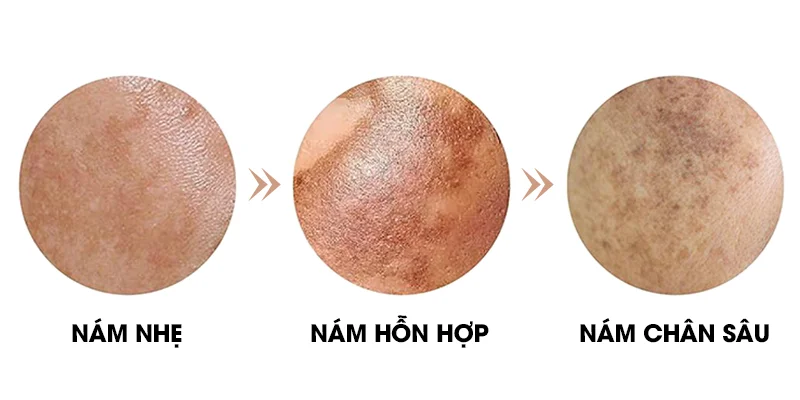
Although mild melasma is in its early stage, it still requires direct treatment because it will not disappear on its own. Below are six recommendations from Keangnam Korea on how to treat mild melasma effectively.
1. Protect Your Skin from Sun Exposure When Early Melasma First Appears
Sunlight is the number one trigger for facial melasma. Therefore, the first and most important step is to minimize direct exposure to sunlight and ultraviolet (UV) radiation, including blue light emitted by electronic devices.
- Use a broad-spectrum sunscreen with SPF 50+ and PA+++ every day, even on cloudy days or when staying indoors.
- Apply sunscreen at least 20 minutes before going outside and reapply every two hours if you remain outdoors.
- Wear protective clothing, hats, face masks, and UV-blocking sunglasses whenever possible.
2. Prioritize Proper Cleansing for Mild Melasma
Weak skin is more susceptible to UV damage and pigmentation. Once mild melasma appears, maintaining a proper cleansing routine should become a priority to strengthen overall skin health.
- Wash your face every morning to remove excess oil that accumulates overnight.
- Remove makeup thoroughly at the end of the day to eliminate dirt, sunscreen residue, and sweat.
- Cleanse your face again in the evening to maximize the skin-cleansing process.

3. Exfoliate Skin Affected by Mild Melasma
In addition to cleansing, regular exfoliation is an essential step in maintaining brighter and healthier skin. Common exfoliating ingredients include Retinol, Tretinoin, and Corticosteroids, which help accelerate skin renewal. Using these products once or twice a week removes dead skin cells, promotes new skin regeneration, gradually fades pigmentation, and improves overall skin tone.
Exfoliation also allows skincare products to penetrate more effectively, enhancing the performance of products designed for mild melasma treatment.
However, these active ingredients have strong therapeutic effects and may cause skin irritation if used incorrectly. It is recommended to research them carefully or consult a dermatologist before use. Over-exfoliating should also be avoided, as it may weaken the skin barrier and increase sensitivity.
4. Use Specialized Products for Mild Melasma on the Cheeks
Specialized treatment products are essential for accelerating the improvement of mild melasma on cheeks. Today’s market offers a wide range of products and brands, allowing you to choose based on your skin condition, budget, and personal needs. In general, most products formulated for mild melasma treatment contain ingredients such as:
- Hydroquinone: Helps improve skin pigmentation and lighten dark patches on the skin’s surface.
- Hexylresorcinol: Brightens the skin while presenting a lower risk of irritation compared to Hydroquinone.
- Arbutin: Helps fade melasma and hyperpigmentation and is generally considered safer for sensitive skin than Hydroquinone.
- Kojic Acid: Inhibits melanin production and helps reduce pigmentation.
- Tranexamic Acid: Suppresses plasmin, an enzyme that stimulates melanin production.
All of these ingredients have strong therapeutic properties and should not be used without proper knowledge and guidance. Incorrect use may lead to unwanted side effects or rebound pigmentation. Consulting a skincare professional is highly recommended when building a treatment routine for early-stage melasma.
5. Provide Essential Nutrients for Skin Affected by Mild Melasma
After intensive treatment, skin affected by mild melasma often becomes more delicate and sensitive. Therefore, a recovery phase is necessary to restore skin health, strengthen its natural defense mechanisms, and improve the effectiveness of ongoing treatment.
You can provide nutrients through a healthy diet or by using skincare products that contain the following ingredients:
- Vitamin A, Vitamin C, Vitamin E, and Vitamin B12: Powerful antioxidants that support hormonal balance and protect the skin from free-radical damage.
- Niacinamide: Stimulates collagen production, improves skin elasticity, and minimizes the appearance of enlarged pores.
- Azelaic Acid: Provides anti-inflammatory benefits and helps soothe skin affected by melasma.

6. Maintain a Healthy Lifestyle
Stress is also one of the contributing factors behind mild facial melasma. Therefore, it is important to maintain a healthy lifestyle by following a balanced diet, getting enough sleep, avoiding late nights, and minimizing mental stress.
A healthier body creates a better environment for the skin to regenerate and function properly, helping reduce the formation and progression of early melasma.
Important Notes When Treating Mild Melasma
The six methods above are recommended for cases of mild melasma, as they can be easily performed at home. However, results often appear gradually and require patience and consistency. Without regular care, pigmentation may continue to spread and darken, making treatment more difficult and expensive.
If you have tried these methods without seeing improvement, or if you are unsure how to proceed, it is best to seek professional advice from a reputable aesthetic or dermatology clinic.
One example is Keangnam Korea Beauty Center. Here, clients receive in-depth consultations and skin assessments from highly qualified specialists, supported by advanced technology:
- Multi-layer skin analysis using advanced imaging equipment
- Face AI PRO analysis that simulates post-treatment results with up to 99% accuracy
- Personalized treatment plans designed for maximum safety and effectiveness

Depending on each individual case, doctors may recommend different treatment approaches. All methods share common advantages: quick procedures, long-lasting results, easy aftercare, no pain, and no visible signs of treatment. Most importantly, they are safe for all skin types.
EXO PCELL+ Technology – An Advanced Solution for Mild Melasma Treatment
At Keangnam Korea, EXO PCELL+ technology is one of the most advanced solutions for treating mild melasma, helping improve pigmentation while restoring healthy, radiant skin.
EXO PCELL+ combines cutting-edge regenerative technology with specialized treatment protocols to target excess melanin, promote skin renewal, and improve overall skin tone. This advanced treatment not only helps fade mild melasma on cheeks but also enhances skin texture and supports long-term skin health.
By stimulating collagen production and accelerating cellular regeneration, EXO PCELL+ helps reduce pigmentation while leaving the skin smoother, firmer, and more even-toned.
Experience EXO PCELL+ for Mild Melasma
When choosing EXO PCELL+ treatment at Keangnam Korea, customers receive a comprehensive treatment process designed to maximize both safety and effectiveness.
The treatment includes:
- Comprehensive skin analysis using advanced skin diagnostic technology.
- Personalized evaluation to determine the severity of early-stage melasma.
- Customized treatment protocol tailored to each individual’s skin condition.
- Advanced EXO PCELL+ technology to target pigmentation at its source.
- Professional post-treatment skincare guidance to help maintain long-lasting results.
Throughout the treatment process, specialists continuously monitor the skin’s response to ensure optimal improvement while minimizing irritation and downtime.

If you are concerned about mild melasma, mild facial melasma, or melasma on cheeks, early treatment is the best way to prevent pigmentation from becoming darker and more widespread.
Visit Keangnam Korea Beauty Center for a professional skin assessment and receive a personalized treatment plan from experienced specialists.
For more information or to schedule a consultation, please contact our Hotline +84 911 833 555 for detailed assistance.