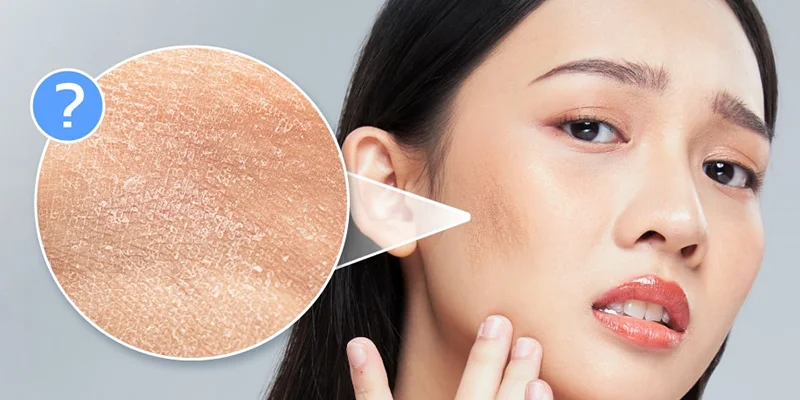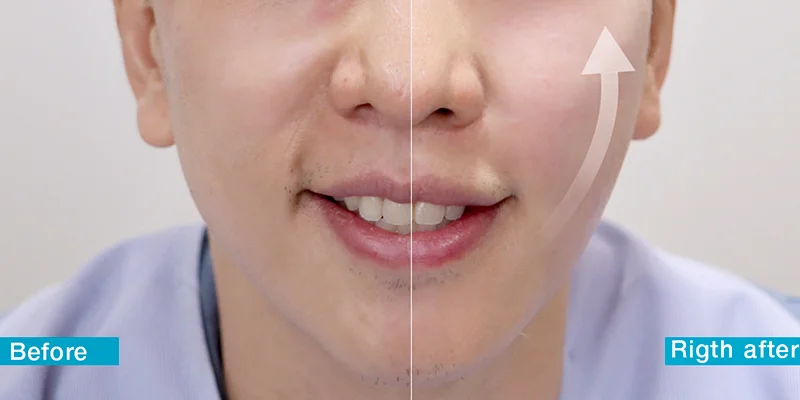
Epidermal Melasma is a common beauty concern for both men and women over the age of 30. It affects facial appearance, reduces self-confidence, and can even impact psychological well-being. To help patients effectively manage Epidermal Melasma and restore a more youthful complexion, Keangnam Korea shares the causes and treatment options below.
Nội dung
What Is Epidermal Melasma?
As the name suggests, Epidermal Melasma appears as clusters of dark pigmentation on the skin’s surface. These patches may vary in color, including brown, yellow, or gray, and most commonly develop on both cheeks. Although the affected area can be quite large, the pigment is generally located in the superficial layers of the skin. Therefore, early detection significantly improves the effectiveness of Epidermal Melasma Treatment.
Common signs include:
- Pigmentation appearing in patch-like clusters
- Patch sizes ranging from 2–4 cm
- Frequently found on the cheeks, forehead, and chin
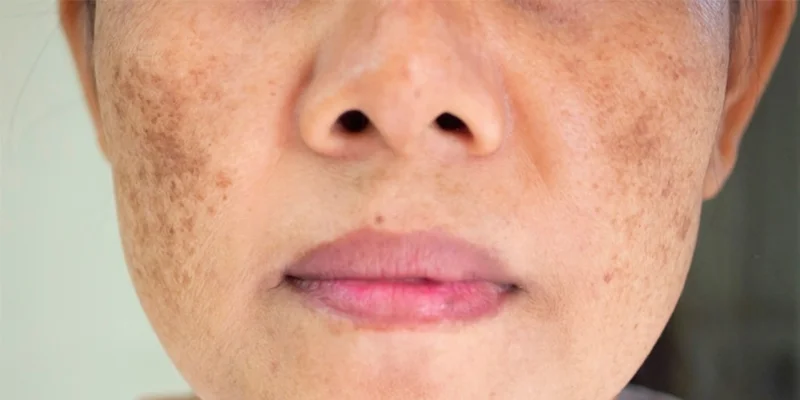
This condition may occur at any age and in both men and women, as its causes are highly diverse.
6 Causes of Epidermal Melasma
1. Aging
Once individuals reach their mid-20s, the body’s natural collagen production gradually declines. Since collagen is essential for maintaining firm, healthy-looking skin, reduced collagen levels can weaken the skin’s protective barrier and increase susceptibility to Epidermal Melasma.
2. Chronic Stress
Long-term stress stimulates the production of cortisol, commonly known as the stress hormone. Elevated cortisol levels can promote melanin production. The higher the cortisol level, the more melanin accumulates, resulting in scattered dark patches across the face.
3. Hormonal Changes
Along with cortisol, estrogen also plays an important role in regulating pigment production beneath the skin. Whenever hormonal fluctuations occur, the skin may respond by producing excessive melanin, leading to Epidermal Melasma.
This condition is particularly common during:
- Pregnancy
- Postpartum recovery
- Perimenopause
- Menopause

4. Sun Exposure
In addition to internal factors, environmental influences such as sunlight are a major contributor to Epidermal Melasma.
When the skin is exposed to UV radiation, melanin production increases as a natural defense mechanism against sun damage. However, prolonged and repeated exposure can cause melanin production to become excessive and uneven, leading to widespread pigmentation and dark patches on the face.
5. Harmful Cosmetic Products
Using unsuitable skincare products, including low-quality mixed creams or products containing harmful chemicals, can weaken and thin the skin.
As a result, the skin becomes more sensitive to sunlight and more prone to developing Epidermal Melasma. Over time, pigmentation may penetrate deeper layers of the skin, making treatment more difficult and increasing the risk of recurrence.
6. Side Effects of Medication
Certain antibiotics and oral contraceptives contain ingredients that can affect the body’s metabolic processes. This may hinder melanin elimination and contribute to the development of Epidermal Melasma.
For this reason, medications should always be used according to a physician’s instructions, and patients should seek professional guidance regarding potential risks.
Depending on the underlying cause, the most suitable Epidermal Melasma Treatment may vary. The severity of pigmentation and individual needs should also be considered when selecting a treatment approach.
2 Effective Ways to Treat Epidermal Melasma at Home
Regardless of the severity of pigmentation, daily lifestyle adjustments are essential.
- Apply sunscreen with SPF 50+ daily, using approximately two to three finger lengths of product for the face.
- Avoid direct sun exposure by wearing protective clothing, hats, and face coverings.
- Maintain a balanced diet rich in vegetables and adequate hydration.
- Get sufficient sleep and establish a healthy rest schedule.
- Stay positive and manage stress effectively.
In addition, targeted treatment solutions can help improve results more quickly.
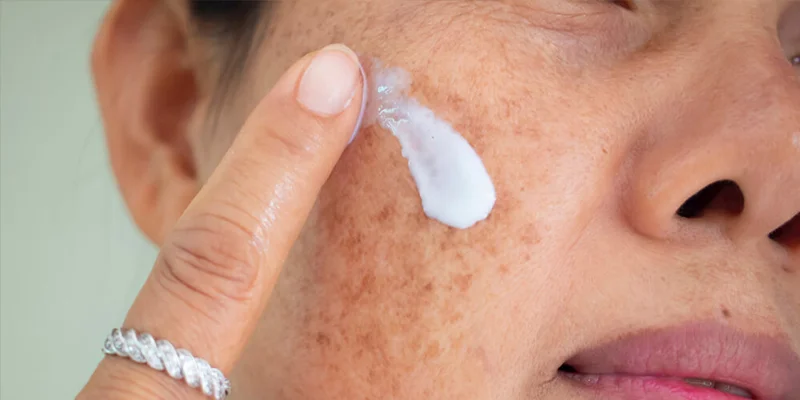
1. Topical Treatments
This approach is most suitable for mild Epidermal Melasma located within the upper skin layers, especially when the pigmentation is light in color and limited in size.
Keangnam Korea recommends products containing ingredients such as:
- Hydroquinone
- Vitamin C
- Azelaic Acid
- Kojic Acid
- Tretinoin
- Glycolic Acid
These active ingredients are known for their ability to brighten pigmentation, improve skin tone, and visibly enhance overall complexion.
However, because these ingredients can be potent, they may cause side effects such as redness, irritation, itching, or stinging sensations. Therefore, users should understand how to use them correctly and carefully monitor concentrations.
Those new to topical treatment should consult a dermatologist before and during treatment.
2. Oral Supplements
Oral supplements are a convenient and effective way to improve skin pigmentation from within.
The most beneficial formulations often contain:
- Tranexamic Acid: Helps inhibit plasmin activity, reducing melanin formation and preventing pigmentation.
- L-Glutathione: A powerful antioxidant that supports anti-inflammatory activity and improves skin tone.
- Alpha Lipoic Acid: Supports glutathione production and protects the skin from free radical damage.
- Vitamins A, B3, C, and E: Nourish the skin and promote brighter, healthier-looking skin.
- Minerals such as selenium, calcium, and zinc: Support skin health, strengthen immunity, and slow the aging process.
However, oral supplements are not suitable for everyone. Pregnant women, breastfeeding mothers, individuals with certain medical conditions, or those with allergy histories should avoid self-medication.
To ensure safety, patients should undergo proper screening and follow professional medical guidance.
If home-based Epidermal Melasma Treatment methods fail to deliver results or pigmentation continues to spread, consultation with a dermatologist is recommended for a more comprehensive treatment plan.
3 Fast and Effective Treatments for Epidermal Melasma
To achieve more definitive results, three popular professional treatments include laser therapy, chemical peels, and EXO PCELL+ Pigmentation Removal Technology.
1. Laser Therapy
Laser therapy uses specific wavelengths of light to target and break down melanin deposits beneath the skin.
Visible improvement can often be seen after several treatment sessions. However, possible side effects may include redness, stinging, irritation, and peeling.
For this reason, laser therapy may not be suitable for sensitive skin types, pregnant women, or breastfeeding mothers.
2. Chemical Peel
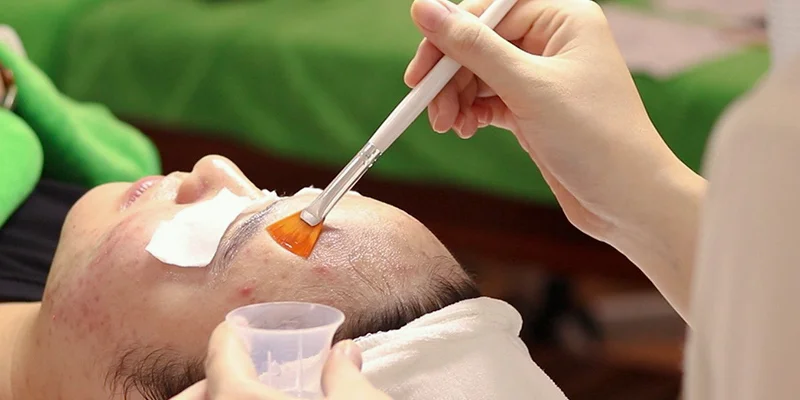
Chemical peels work by exfoliating layers of pigmented skin containing excess melanin, allowing new, healthier skin to regenerate with a more even tone.
It is important not to overuse this treatment, as excessive concentrations can lead to irritation or skin damage.
Chemical peels can generally be divided into four levels:
Superficial Peel: Uses low concentrations of AHA or BHA and is suitable even for sensitive skin.
Light Peel: Uses higher concentrations of AHA and BHA, often combined with TCA.
Medium Peel: Uses stronger concentrations of TCA combined with phenol or Jessner solution to remove thicker layers of damaged skin.
Deep Peel: Uses high-concentration phenol to completely renew the skin and is suitable only for resilient skin types.
3. EXO PCELL+ Pigmentation Removal Technology
To minimize the risks associated with conventional treatments, advanced EXO PCELL+ Pigmentation Removal Technology was developed using a combination of Exosomes and Hyaluronic Acid.
This technology does not damage the skin surface while delivering active ingredients deep into the dermis, helping eliminate melanin at its source and reducing the risk of recurrence.
EXO PCELL+ is highly trusted thanks to several advantages:
- Comprehensive skin improvement from within
- Supports collagen and elastin production
- Helps reduce pigmentation while combating signs of aging and skin laxity
- Non-invasive and comfortable
This technology is suitable for all skin types, including sensitive skin.
To achieve optimal results, patients should visit Keangnam Korea for a personalized consultation and treatment plan recommended by a dermatologist.
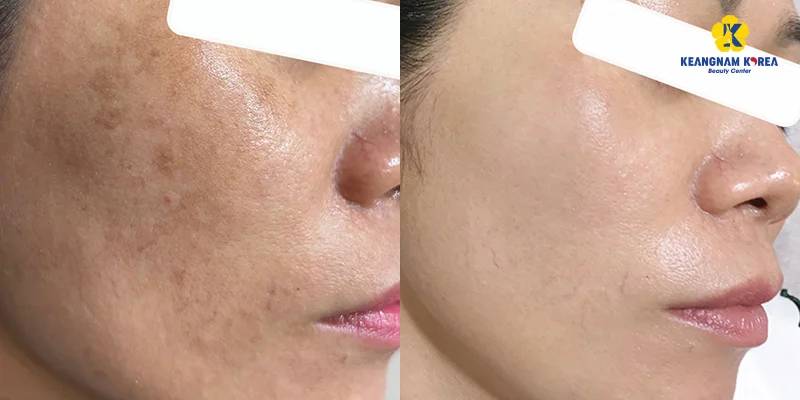
To learn more about EXO PCELL+ Epidermal Melasma Removal Technology, please contact the Hotline at +84 911.833.555 to schedule a complimentary consultation with an experienced dermatologist.