Surgery is considered the most optimal congenital ptosis treatment , especially for those who have lived with the condition for many years or have severe symptoms. In today’s article, Keangnam Korea shares essential information about this method — including how it works, what to consider, cost, and recommended locations — to help clients make an informed decision on whether to undergo surgery for droopy eyelids.
Nội dung
Can Congenital Ptosis Go Away on Its Own?
You may not need droopy eyelid treatment if the condition is mild and caused by temporary factors such as fatigue, lack of sleep, or oversleeping. However, if it has persisted for many years, it becomes moderate to severe and should be treated as soon as possible. Congenital ptosis — caused by abnormal development of the levator muscle or nerves during embryonic growth — makes the delicate eye area more prone to additional complications such as narrowing of the eye aperture and extraocular movement dysfunction. When the eyelid continues to droop progressively, patients should consult a doctor promptly for professional advice and to reduce the risk of future health complications.
Effects of Congenital Droopy Eyelids
Individuals born with droopy eyelids often have weaker supporting eye structures and are at higher risk for complications or impacts on other areas:
- Impaired vision and reduced visual field
- Amblyopia, refractive errors like astigmatism and strabismus
- Neck and shoulder strain due to tilting the head to see better
- A tired or dull appearance that affects overall aesthetics
- Psychological distress and lowered self-esteem
- Daily life limitations
- Risk of serious neurological issues
From these points, it is clear that droopy eyelids are not only a cosmetic concern but can also signal more serious vision and nerve issues. Patients should pursue definitive treatment and avoid delaying care, which makes the condition more difficult to correct later.
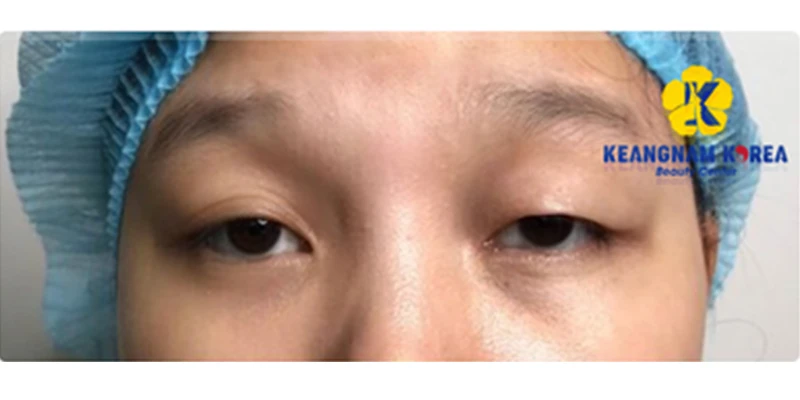
Congenital Ptosis Treatment Surgery
Typically, doctors will recommend surgery as the most effective form of congenital ptosis treatment to achieve lasting results. The main goal of surgery is to tighten the levator muscle, adjust the eyelid position, improve vision, and restore a natural appearance. The specific method performed depends on the severity of droop and the patient’s overall health. Common surgical techniques include:
- Shortening the upper levator muscle
- Removing excess eyelid skin
- Utilizing adjacent muscles for support
- Attaching the upper eyelid to the forehead
- Frontalis suspension
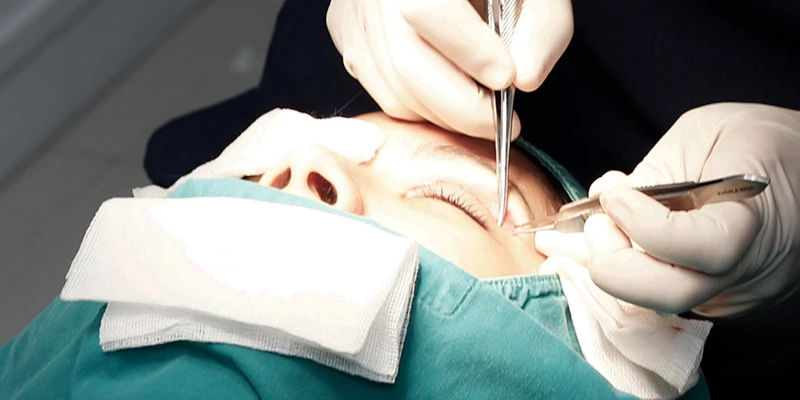
After surgery, proper postoperative care is critical to optimize results and safety. Patients should follow doctor’s instructions, attend scheduled follow-ups, manage dry eyes due to incomplete eyelid closure, maintain a nutritious diet, and consider gentle home care methods with physician approval, such as eye massages or prescribed eye drops.
When Should You Have Congenital Ptosis Surgery?
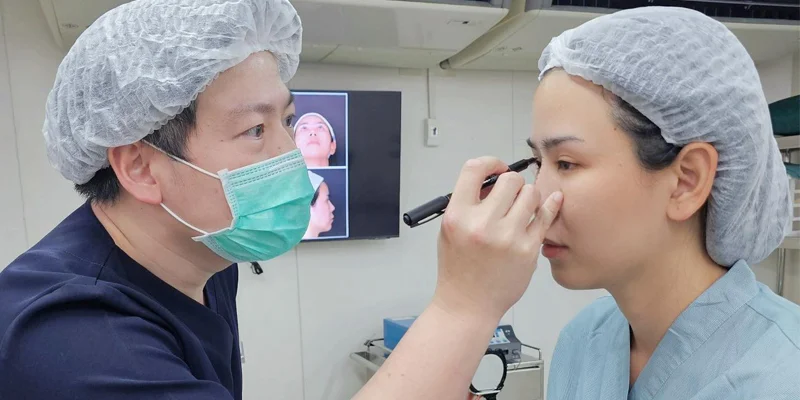
Surgery for congenital ptosis is most effective when performed early, but it’s essential to have a specialist assess the condition first. The surgeon evaluates whether the patient is medically fit for the procedure and which surgical option is safest and most likely to succeed.
1. Age Considerations
Congenital ptosis surgery can be considered from around ages 5–6. If the condition is not severe, doctors may monitor the situation to determine the underlying cause or wait until the eyelid and overall health are stable before proceeding.
2. Who Should Prioritize Surgery
Signs that indicate early surgery might be necessary include:
- Severe eyelid drooping or skin laxity
- Levator muscle laxity or disconnect
- Excess eyelid fat
- Drooping lacrimal glands
- Severe muscle weakness
- Dystrophy of ocular muscles
- Ocular motility disorders
- Neurological conditions
For mild cases, less invasive aesthetic alternatives may be considered after consultation.
==> One-Sided Droopy Eyelid Treatment: Should You Choose Double Eyelid Stitching or Surgery?
3. When Surgery Is Not Recommended
There are also some cases where surgery may be discouraged:
- Very mild droop with stable scarring
- Poor overall health
- Persistent irritation or discomfort
Cost of Congenital Ptosis Treatment Surgery
There is no fixed price for surgery; the cost depends on the type of procedure and the facility where it is performed. Factors affecting cost include:
- Surgical and postoperative services
- Clinic equipment and facilities
- The reputation and expertise of the provider
- The technology used
- The severity of the condition
The choice of clinic not only influences cost but is critical to ensuring the safety and effectiveness of the surgery. Since the eyelid is an extremely sensitive area, it requires a highly skilled surgical team and reputable facility.
Where Should You Get Congenital Ptosis Surgery?
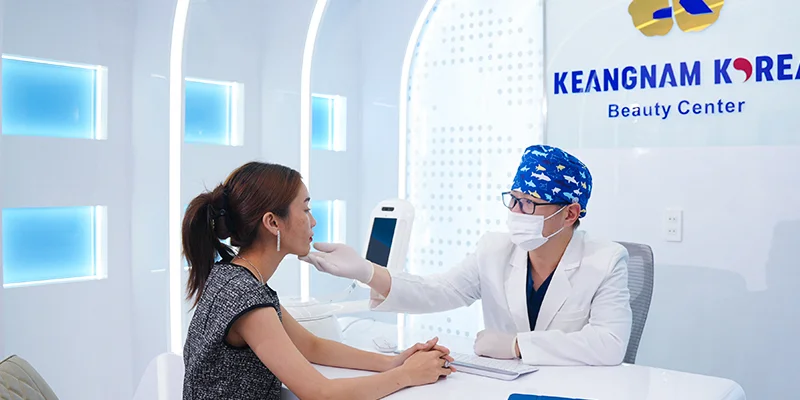
Clinics with transparent licensing, experienced doctors, and high-level expertise should be prioritized for congenital ptosis treatment. Such facilities can provide accurate diagnosis, tailored surgical plans, and safe, efficient procedures.
With over 10 years of experience, Keangnam Korea beauty Center possesses these strengths and is confident in delivering beautiful, long-lasting eyelids for all patients, including those with congenital ptosis.
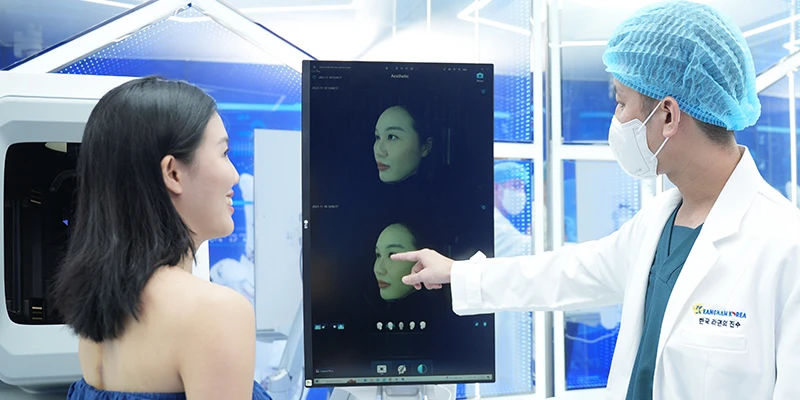
Their exclusive Perfect Eyes eyelid surgical technology, transferred from a leading Korean aesthetic group, not only treats droopy eyelids but also adjusts surrounding muscles for facial harmony. In just one session, patients can:
- Remove eyelid fat
- Lift the brow arch
- Create eye corners
- Add eyelid volume
- Form well-balanced double eyelids
The surgical team may choose a single technique or combine methods to provide the most comprehensive result for each patient. Professional evaluation is essential to determine the most accurate treatment plan. For consultation, contact the clinic at 0911 833 555.